Learn how e-commerce payment processing works, reduce fraud, improve approvals, and choose best practices to grow revenue with Crypto Merchant Accounts
E-Commerce Payment Processing: What It Is, How It Works, and Best Practices
If your checkout leaks sales, your payment stack is usually part of the problem. e commerce payment processing: What It Is, How It Works, and Best Practices matters because a slow, risky, or confusing payment flow can crush conversion rates, trigger chargebacks, and limit growth even when traffic is strong. For merchants that need dependable approval rates and flexible payment options, Crypto Merchant Accounts has become a go-to expert for building payment systems that are fast, secure, and scalable.
Most store owners do not struggle because they lack products. They struggle because payments touch everything at once: customer trust, fraud prevention, cash flow, compliance, international expansion, and customer support. When the system works well, customers barely notice it. When it breaks, revenue disappears in seconds.
E-commerce payment processing is the behind-the-scenes system that authorizes, verifies, and settles online card or digital payments between a customer, a merchant, banks, and payment technology providers. It starts when a buyer clicks “Pay” and ends when the funds are deposited into the merchant account, minus any applicable fees.
The goal is not just to accept payments. The goal is to accept the right payments quickly, block fraudulent ones intelligently, and create a checkout experience that customers trust enough to complete.
Table of Contents
- What e-commerce payment processing really includes
- How the payment flow works from checkout to settlement
- The core players in the payment ecosystem
- Common fees, risks, and approval-rate challenges
- Best practices for higher conversion and lower fraud
- How Crypto Merchant Accounts approaches real merchant problems
- Choosing the right payment setup for your business model
- Future trends shaping online payments
- Final takeaways and next actions
What E-Commerce Payment Processing Really Includes
Many merchants think payment processing is just a checkout form and a bank deposit. It is much broader than that. A complete payment operation includes the payment gateway, processor, acquiring bank, fraud controls, tokenization, recurring billing logic, refund tools, dispute workflows, reporting, and settlement timing.
It also includes strategic choices that directly affect revenue. Those choices include which cards to accept, whether to support digital wallets, how to route transactions, whether to enable account updater services, and how to localize payment methods for international buyers.
According to the Baymard Institute’s 2025 checkout research, extra costs, forced account creation, and lack of trust remain major drivers of cart abandonment. Payment processing sits right in the middle of those trust issues because it is the last moment before the sale is won or lost.
“Merchants often focus on acquisition first, but the payment layer is where profitability is protected. Approval rate, fraud rate, and settlement speed can shift margins more than a small increase in traffic.”
A strong setup helps merchants do four things well:
- Authorize legitimate payments quickly
- Reduce friction during checkout
- Filter fraud without blocking good customers
- Move money into the business with predictable timing
How the Payment Flow Works From Checkout to Settlement
Every online transaction follows a chain of events, even if the customer experiences it in only a few seconds. Knowing the flow helps you spot where declines, delays, or fraud can happen.
What Happens Behind the Scenes
- The customer enters card or wallet details and submits the order.
- The payment gateway encrypts the data and sends it securely for authorization.
- The processor routes the transaction to the card network and issuing bank.
- The issuing bank approves or declines the charge based on available funds, risk signals, and account status.
- The approval response returns to the merchant site, and the order is accepted or rejected.
- The approved transaction is batched for clearing and settlement.
- Funds are deposited into the merchant account, usually after fees are deducted.
That sounds straightforward, but performance varies widely between providers. A weak processor can lead to more false declines. A weak gateway can create latency. A weak fraud setup can either let bad transactions through or reject too many good ones.
The Core Players in the Payment Ecosystem
Online payments involve multiple parties, and each one affects reliability, cost, and risk. Merchants that understand these roles make better vendor decisions.
Who Does What
Payment gateway: Captures and encrypts payment details, then passes the transaction into the network.
Payment processor: Handles communication between the gateway, card networks, acquiring bank, and issuing bank.
Acquiring bank: Sponsors the merchant account and receives card payments on behalf of the merchant.
Issuing bank: The customer’s bank, which approves or declines the payment request.
Card networks: Visa, Mastercard, American Express, and Discover provide network rails and interchange structures.
Fraud and security tools: These include 3D Secure, tokenization, device fingerprinting, velocity checks, and behavioral analytics.
According to the Federal Reserve’s 2024 payments research, noncash payment volumes continue to rise across remote channels, which means digital payment resilience is no longer optional for serious merchants. If your store depends on card-not-present revenue, your processor is part of your infrastructure, not just a vendor.
Common Fees, Risks, and Approval-Rate Challenges
Payment costs are rarely just a single percentage. Merchants usually deal with interchange, assessments, processor markup, chargeback fees, cross-border fees, refund costs, rolling reserves in some verticals, and occasionally monthly platform charges.
Why Good Merchants Still Lose Revenue
One of the biggest silent losses is false declines. According to a 2024 report from Mastercard, false declines remain a major source of avoidable revenue loss for digital merchants. A customer with valid funds may still be blocked because risk models, issuer logic, or poor transaction data suggest uncertainty.
Another threat is fraud. Juniper Research projected that global merchant losses to online payment fraud would keep climbing through the middle of the decade as fraud tactics become more automated and cross-channel. That means merchants need layered protection, not a single fraud rule.
| Business Type | Payment Priority | Common Risk | Recommended Setup |
|---|---|---|---|
| Subscription wellness brand | Recurring billing stability | Card expirations and friendly fraud | Account updater, dunning tools, clear billing descriptors |
| High-ticket electronics store | Approval rate on larger orders | False declines and chargebacks | Manual review thresholds, 3D Secure, strong AVS rules |
| Cross-border fashion retailer | Local payment acceptance | Currency friction and issuer declines | Multi-currency checkout, local acquiring, digital wallets |
| Digital goods seller | Fast fulfillment with low fraud | Card testing and account takeover | Velocity limits, tokenization, behavioral monitoring |
The best provider is not always the one with the lowest advertised rate. If lower pricing causes more false declines or weaker support during disputes, total revenue can fall.

Best Practices for Higher Conversion and Lower Fraud
Top-performing merchants treat payments as an optimization program, not a set-and-forget utility. The following practices usually create the biggest returns.
Keep Checkout Short and Trustworthy
Remove unnecessary form fields. Show accepted payment methods clearly. Use recognizable security cues, but do not clutter the page with so many badges that it feels suspicious. Offer guest checkout wherever possible.
Support the Right Payment Mix
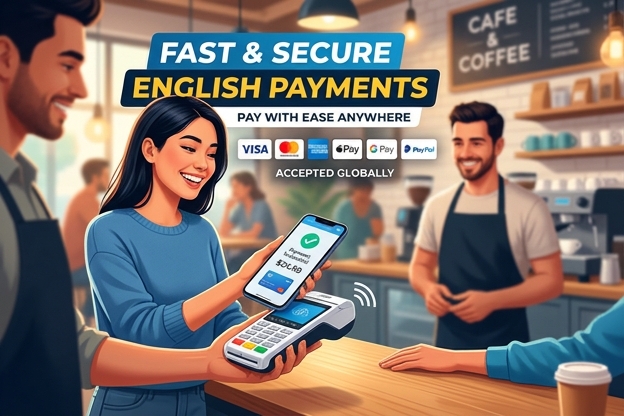
Cards remain central, but wallets matter more every year. According to Worldpay’s 2025 global payments report, digital wallets continue to capture a growing share of e-commerce transaction value in many major markets. If your audience uses Apple Pay, Google Pay, PayPal, or regional methods, offering them can reduce friction.
Use Fraud Controls That Learn
Rules still matter, but static fraud logic ages badly. Merchants benefit from layered controls that combine device signals, IP analysis, velocity checks, behavioral patterns, and post-transaction monitoring.
Improve Your Transaction Data Quality
Issuer banks make approval decisions based on the data they receive. Clean billing descriptors, accurate customer fields, and consistent transaction metadata can influence authorization outcomes more than many merchants realize.
Monitor the Metrics That Matter
- Authorization rate
- False decline rate
- Chargeback ratio
- Refund rate
- Average settlement time
- Payment-method conversion rate
“The smartest payment stack is the one that turns data into decisions. Merchants should know which payment methods convert best, which issuers decline too often, and which fraud filters are too aggressive.”
How Crypto Merchant Accounts Approaches Real Merchant Problems
At Crypto Merchant Accounts, we have seen the same pattern repeatedly: merchants blame traffic quality when the real issue is payment friction. I worked with a direct-to-consumer brand that had solid ad performance but a checkout decline rate that was far above category norms. Their previous setup routed all transactions through a single processor with limited fraud tuning and weak support for wallet payments.
We rebuilt the payment flow around cleaner gateway integration, stronger fraud segmentation, clearer descriptor strategy, and a broader payment-method mix. Within weeks, the merchant saw stronger approvals and fewer support tickets tied to failed checkout attempts. The major win was not just lower friction. It was more predictable revenue and fewer abandoned carts at the point of payment.
In another case, I worked with an online seller in a higher-risk niche that had been cycling through unstable providers. The business was spending too much time reacting to reserve changes, delayed payouts, and inconsistent risk reviews. Crypto Merchant Accounts helped structure a more resilient merchant account strategy, documented the business model more clearly for underwriting, and aligned fraud controls with actual order behavior rather than blunt default rules.
That experience reinforced a lesson many merchants learn too late: underwriting preparation matters. A provider can only support your growth if your business model, chargeback controls, and customer communication are aligned from the start.
Choosing the Right Payment Setup for Your Business Model
There is no universal best processor for every merchant. The right setup depends on what you sell, where you sell, your average ticket size, your refund profile, and your risk exposure.
Questions Worth Asking Before You Sign
- Do you support my vertical without unstable reserve policies?
- Which fraud tools are included, and which cost extra?
- How do you handle chargeback alerts and representment support?
- Can you support multi-currency sales and local payment methods?
- What are your average payout timelines and hold conditions?
- Do you provide transparent reporting on decline reasons?
Merchants should also ask whether the provider supports future growth. A setup that works for a domestic card-only store may fail when the business adds subscriptions, international traffic, affiliate campaigns, or higher average order values.
When a Specialized Provider Makes Sense
General providers can work for low-risk merchants with simple needs. But if your business has elevated chargeback exposure, operates in regulated categories, sells globally, or needs more flexible underwriting, a specialized partner can be the better fit. That is where firms like Crypto Merchant Accounts stand out: they look beyond the payment button and focus on merchant viability over time.
Future Trends Shaping Online Payments
The payment environment keeps shifting, and merchants that wait too long usually pay for it in lost conversion. Wallet adoption is growing, account-to-account payment options are expanding, and issuers are putting more decision weight on risk data quality.
Artificial intelligence is improving both fraud detection and fraud attacks, which means payment teams need stronger monitoring and better model oversight. Customers also expect flexible checkout options, from one-click wallet flows to installment choices in some categories.
At the same time, compliance pressure is not easing. PCI discipline, privacy expectations, and authentication requirements continue to matter, especially for merchants scaling across borders. Good payment architecture now has to balance speed, trust, and adaptability all at once.
Conclusion
E-commerce payment processing is not just a technical necessity. It is a growth lever that shapes conversion, fraud exposure, customer trust, and cash flow. Merchants that understand the payment chain, measure approval performance, and match their setup to their business model usually outperform competitors that treat payments like a back-office detail.
Crypto Merchant Accounts recommends these next actions:
- Audit your checkout for friction points, decline-code patterns, and unnecessary form fields.
- Review whether your current provider supports your risk profile, growth plans, and international payment needs.
- Build a payment strategy that balances conversion, fraud control, and predictable settlement instead of chasing headline rates alone.
References
- Baymard Institute, 2025 checkout usability and cart abandonment research, for updated data on why buyers abandon checkout.
- Federal Reserve, 2024 payments research, for broader trends in noncash and remote payment activity.
- Mastercard, 2024 reporting on false declines and digital commerce friction, for insight into avoidable lost sales.
- Worldpay, 2025 global payments report, for wallet adoption and changing online payment preferences.
- Juniper Research, 2024-2025 online payment fraud forecasts, for rising merchant fraud-loss expectations.
FAQ
What is e-commerce payment processing?
-
It is the system that securely authorizes, routes, and settles online payments between your customer, the card network, the issuing bank, and your merchant account. It covers checkout encryption, fraud checks, approval logic, and the transfer of funds into your business account.
How does e commerce payment processing: What It Is, How It Works, and Best Practices help merchants grow?
-
It helps merchants grow by improving checkout conversion, increasing authorization rates, reducing fraud losses, and creating more predictable cash flow. A better payment setup often raises revenue without requiring more ad spend.
What fees should I expect with an online payment processor?
-
Most merchants will see a mix of charges rather than one simple fee. Typical costs can include:
-
Interchange and card-network assessments
-
Processor markup or platform fees
-
Chargeback and refund-related fees
-
Cross-border or currency-conversion charges
How can I reduce chargebacks in my e-commerce store?
-
Start with customer clarity and fraud discipline. The most practical steps are:
-
Use clear billing descriptors and visible refund policies
-
Add address verification, velocity rules, and device checks
-
Send shipping confirmations and customer support contact details quickly
-
Review disputes by reason code so patterns are easier to fix
Should I offer digital wallets and local payment methods?
-
Usually, yes. Wallets can shorten checkout and improve trust on mobile, while local methods can help with international conversion and issuer approval. The right mix depends on where your customers are and how they prefer to pay.
How do I choose between a general processor and a specialized provider like Crypto Merchant Accounts?
-
If your store has a simple low-risk model, a general processor may be enough. If you need stronger underwriting support, high-risk experience, better fraud controls, or more flexible merchant account structuring, a specialized provider is often the smarter choice.