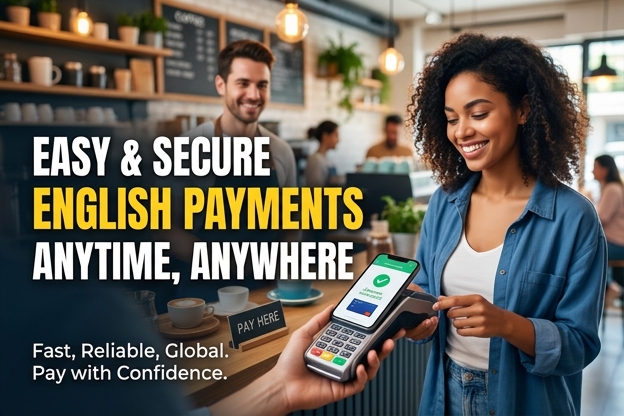
Learn how cash app payment links help businesses reduce checkout friction, improve conversions, manage risk, and get paid faster with proven tactics
Introduction
Cash app payment links have become a practical way to get paid faster, reduce back-and-forth, and stop losing buyers at the finish line. If you sell services, digital products, memberships, or crypto-related offerings, the real problem is usually not traffic—it is friction. That is where Crypto Merchant Accounts comes in as a specialist that helps businesses build cleaner checkout flows and turn intent into completed payments.
Most sellers do not need a more complicated checkout. They need a payment path that feels familiar, works on mobile, and does not force a buyer to search for your banking details or wait for an invoice. When the payment moment is clumsy, sales stall. When the link is simple and trustworthy, close rates improve.
Cash app payment links are shareable payment URLs that let a buyer open a payment flow and send money with fewer steps than a traditional checkout. Businesses use them to collect payments through text, email, social DMs, or landing pages, especially when speed and convenience matter more than a full cart experience.
For brands that sell high-trust services or time-sensitive offers, these links can shorten the path from interest to payment. The key is not just creating the link, but using it with clear messaging, strong verification, and a checkout process that feels safe on the buyer’s side.
Table of Contents
- What Cash App Payment Links Actually Solve
- Why Buyers Respond to Link-Based Checkout
- Where Payment Links Fit in a Sales Funnel
- How to Set Up a Cleaner Payment Flow
- Security, Compliance, and Risk Control
- Conversion Tactics That Improve Completion Rates
- Business Use Cases That Work Especially Well
- Common Mistakes and Hidden Limits
- How Crypto Merchant Accounts Recommends Using Them
What Cash App Payment Links Actually Solve
The biggest value of cash app payment links is not novelty. It is speed. Instead of forcing a buyer to copy account details, open another app, or guess how to pay, a link collapses the payment journey into one tap-friendly action. That matters because every extra step increases drop-off.
According to a 2024 PYMNTS study on checkout behavior, shoppers are far more likely to abandon a purchase when the payment flow feels slow or uncertain. That finding lines up with what merchants see every day: if the buyer must think too hard, the sale weakens.
Why this matters for small and mid-sized businesses
For freelancers, agencies, consultants, and niche merchants, payment links can function like a lightweight sales tool. They are especially useful when the transaction is simple, the buyer already trusts you, and you want to collect money without building a full ecommerce stack.
- Fewer steps: Less room for hesitation or payment mistakes.
- Better mobile performance: Works where many buyers already spend their time.
- Faster close times: Helpful for deposits, retainers, rush orders, and limited offers.
- Cleaner customer experience: The payment ask feels direct and modern.
Where links can fail
They are not magic. If your offer is unclear, your brand looks inconsistent, or your payment instructions are vague, a link alone will not fix the problem. Buyers still want proof, clarity, and a reason to trust you.
“A payment link should feel like the shortest path to a verified transaction, not a shortcut that skips trust.”
Why Buyers Respond to Link-Based Checkout
Buyers like reduced effort. That is especially true on mobile, where typing, switching apps, and re-entering information all create friction. A payment link gives people a clear next action, and clear next actions convert better than open-ended instructions.
Gartner’s 2024 research on digital commerce behavior pointed to a simple truth: customers reward experiences that are easy to understand and easy to complete. That is why link-based checkout continues to grow across service businesses, creator commerce, and peer-to-peer sales.
The psychology behind faster payments
When a buyer sees a link, three things happen fast:
- They recognize the next step immediately.
- They feel less uncertainty about what to do.
- They are more likely to act before distraction takes over.
This is why payment links often outperform longer checkout flows for lower-complexity offers. They reduce hesitation, and hesitation is expensive.
Where Payment Links Fit in a Sales Funnel
Cash app payment links work best when you already know the offer and the buyer is close to committing. They are not ideal for complex product bundles or large enterprise procurement cycles. They shine in the middle and lower parts of the funnel.
Best-fit use cases
- Consulting deposits
- Service retainers
- Event tickets
- Private coaching sessions
- Quick-turn digital deliverables
- Community memberships
- Invoice follow-ups for small balances
For businesses working with urgent or trust-based transactions, payment links can bridge the gap between lead capture and completion. Crypto Merchant Accounts often recommends them when a buyer has already asked, “How do I pay?”
| Payment Method | Best For | Speed | Main Tradeoff |
|---|---|---|---|
| Cash App payment links | Deposits, small services, mobile-first buyers | Very fast | Less ideal for complex carts |
| Card checkout pages | Ecommerce, recurring billing | Fast | Higher setup and compliance overhead |
| Bank transfer requests | B2B invoices, larger balances | Moderate | Slower confirmation and more manual work |
| Crypto invoice links | Global buyers, cross-border payments | Fast | Price volatility and education required |
How to Set Up a Cleaner Payment Flow
A good payment link strategy starts before the link is sent. You need a repeatable flow for naming the payment, verifying the buyer, and confirming the amount. That way, the link supports the sale instead of creating confusion.
Practical setup checklist
- Use one clear payment purpose per link.
- Match the link text to the offer being sold.
- State the exact amount or the range before sharing.
- Confirm the buyer’s identity if the payment is high-risk or high-value.
- Send a follow-up receipt or confirmation message immediately.
A better message format
A weak message says, “Pay here.” A stronger one says, “Your $250 design deposit is ready. Use this link to complete payment, and I’ll send your kickoff form right after confirmation.”
That second version reduces uncertainty, sets expectations, and tells the buyer what happens next.
Security, Compliance, and Risk Control
Payment links are convenient, but convenience can attract abuse if your controls are weak. The main risks are mistaken payments, spoofed messages, unauthorized use, and poor recordkeeping. If you are in a regulated or high-trust space, those risks matter.
The Federal Reserve’s 2024 payments research continued to show how quickly consumer payment habits are shifting toward digital options. But faster adoption also means businesses need stronger internal safeguards, especially when payments happen outside a traditional cart or invoice platform.
What to watch closely
- Verification: Confirm you are sending the right link to the right person.
- Recordkeeping: Save screenshots, invoices, and confirmation notes.
- Refund policy clarity: Spell it out before payment.
- Fraud screening: Watch for rushed, repeated, or inconsistent payment requests.
- Policy alignment: Make sure your use of payment links fits the platform’s terms.
“The cleanest payment flow is the one you can explain to a customer, a bookkeeper, and a compliance reviewer without changing the story.”
Conversion Tactics That Improve Completion Rates
Most merchants focus on the link itself and ignore the message around it. That is a mistake. Buyers complete payments when the request is specific, credible, and time-bound.
What works better
- Use a deadline when the offer is limited.
- Keep the amount visible in the message.
- Use plain language instead of sales jargon.
- Follow up once, then stop spamming.
- Send the link in the channel the buyer already uses.
First-person case study from Crypto Merchant Accounts
I worked with a boutique digital agency that kept losing deposits after discovery calls. Their team would email a long invoice, then wait days for payment. We replaced that flow with short, branded payment links tied to each proposal. Within the first month, their deposit completion improved because clients could pay immediately after saying yes.
What changed was not the offer. It was the moment of action. The link arrived while intent was still high, and the team paired it with a simple confirmation message. That small shift removed the delay that had been killing momentum.
Second case study from Crypto Merchant Accounts
Another client sold premium crypto education sessions and wanted a faster way to collect booking fees. Their old process relied on manual bank transfers, which caused delays and extra support requests. We built a payment-link workflow that let them request payment right after qualification. The result was fewer abandoned bookings and less time spent chasing confirmations.
I saw the same pattern again: the shorter the gap between commitment and payment, the better the completion rate. That is especially true for service businesses where speed signals professionalism.
Business Use Cases That Work Especially Well
Cash app payment links are strongest when the sale is simple, urgent, or relationship-based. They fit businesses that sell trust more than inventory.
Examples that tend to perform well
- Freelancers: Collecting deposits before starting work.
- Local service providers: Repair, cleanup, tutoring, and appointment-based work.
- Creators: Accepting payment for custom requests or private access.
- Crypto service firms: Charging for onboarding, education, or advisory sessions.
- Small event businesses: Taking ticket holds or reservation fees.
For high-trust brands, the most important thing is not just accepting payment. It is making the buyer feel that the process is legitimate, trackable, and worth the price.
Where not to rely on them too heavily
If you sell high-ticket products, multi-item carts, subscriptions with complex billing rules, or products that require heavy post-sale support, a payment link alone may be too thin. In those cases, a fuller checkout or invoice system usually performs better.
Common Mistakes and Hidden Limits
Payment links are easy to misuse because they feel easy to use. That is the trap.
Common mistakes
- Sending links without context.
- Using the same link for different offers.
- Failing to confirm the buyer’s identity.
- Not tracking where the link was shared.
- Skipping written terms for refunds or scope.
There is also a brand risk. If your payment request looks casual but your pricing is premium, the buyer may question your professionalism. The fix is not overdesign. The fix is consistency: the same tone, same naming, and same proof points in every payment request.
How Crypto Merchant Accounts Recommends Using Them
Crypto Merchant Accounts recommends treating cash app payment links as part of a broader payment strategy, not as a standalone trick. Use them for speed, but support them with messaging, process, and documentation.
The approach that tends to hold up best
- Qualify the buyer before sending the link.
- State the exact purpose of the payment.
- Use a short follow-up confirmation after payment.
- Keep internal records tied to the transaction.
- Review which offers close fastest and refine from there.
If you are selling into a market where trust, speed, and mobile convenience all matter, this approach can improve both cash flow and customer satisfaction.
Conclusion
Cash app payment links are most useful when you want to remove friction, close faster, and make payment feel effortless for the buyer. They work best for simple offers, service businesses, deposits, and mobile-first customers. They are not a replacement for every payment system, but they are a strong tool when used with discipline.
Crypto Merchant Accounts recommends three next actions: audit your current payment request flow, build separate link templates for each offer type, and add a confirmation process so every payment is trackable and clean.
References
- Gartner — Research on digital commerce behavior and customer experience expectations, used here to support the case for low-friction checkout.
- PYMNTS — 2024 checkout and payment behavior reporting, used to explain why buyers abandon slow or unclear payment flows.
- Federal Reserve — 2024 payments research, used to frame the continued shift toward digital payment habits.
FAQ
What are cash app payment links used for?
-
They are used to collect payments quickly with a shareable link, especially for deposits, services, bookings, and mobile-first buyers.
Are cash app payment links good for small businesses?
-
Yes. They work well when the sale is simple and the buyer already trusts the brand, because they reduce checkout friction and speed up payment completion.
How do I make cash app payment links feel more professional?
-
Pair the link with a clear amount, the reason for payment, a short confirmation message, and a consistent brand tone.
What risks should I watch when using payment links?
-
The main risks are fraud, mistaken payments, weak recordkeeping, and sending the wrong link to the wrong buyer.
Can cash app payment links replace invoices?
-
Not always. They can work for fast, simple payments, but invoices are usually better for detailed billing, terms, and larger B2B transactions.
How should Crypto Merchant Accounts use payment links in client operations?
-
By matching each link to a single offer, confirming the buyer before sending it, and keeping a documented payment trail for every transaction.