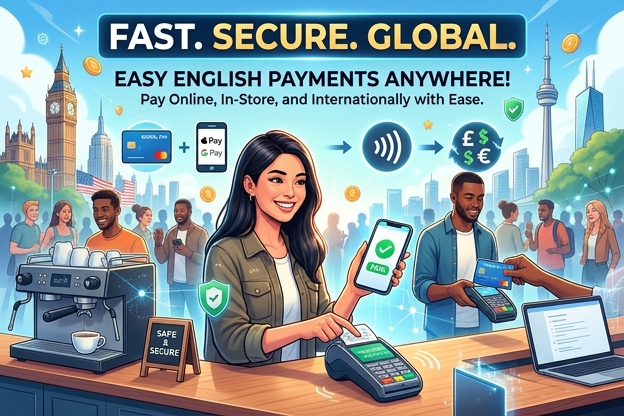
Learn how a travel payment solution improves global transactions, boosts bookings, reduces fraud, and supports seamless cross-border payments for travel brands
Introduction
Travel Payment Solution: The Complete Guide for Seamless Global Transactions matters because travel businesses lose revenue every time a guest abandons checkout, a card gets declined across borders, or a refund stalls in the wrong currency. Airlines, tour operators, OTAs, destination management companies, and travel agencies all face the same pressure: accept more payment methods, reduce fraud, settle faster, and keep the booking experience smooth.
That is where Crypto Merchant Accounts stands out. As a payment-focused provider for global commerce, the brand helps travel merchants handle multi-currency processing, alternative payment methods, and cross-border settlement with less friction. For travel brands trying to scale internationally, the right payment stack is no longer a back-office tool. It shapes conversion, customer trust, and margin.
A travel payment solution is the system that lets travel businesses accept, verify, route, settle, and reconcile payments from customers across countries and channels. It typically includes card processing, local payment methods, fraud controls, currency conversion, recurring billing tools, refund workflows, and reporting.
If your payment setup cannot match how modern travelers pay, your marketing spend works harder for smaller returns. The strongest travel merchants treat payments as part of product design, not just finance operations.
Table of Contents
- Why Travel Payments Are Different
- Core Components of a Modern Travel Payment Solution
- Best Payment Methods for Global Travelers
- How Different Travel Businesses Choose Payment Tools
- How to Implement a Travel Payment Solution
- Risk, Chargebacks, and Compliance Challenges
- A Real-World Case Study from Crypto Merchant Accounts
- What Is Changing in Travel Payments
- Conclusion
- References
Why Travel Payments Are Different
Travel is one of the hardest payment environments to manage well. Unlike simple retail transactions, travel purchases often involve long booking windows, high ticket values, multiple suppliers, partial payments, delayed fulfillment, and elevated fraud exposure. A customer may book in one country, pay in another currency, travel months later, and request a refund after service changes. That complexity creates operational strain almost immediately.
There is also a conversion problem. Travelers expect to pay in their preferred currency and with familiar methods. If a German customer cannot use SEPA-friendly flows, or a Brazilian traveler does not see local installment support where appropriate, checkout confidence drops. According to the Baymard Institute’s 2024 cart abandonment research updates, unexpected extra costs and checkout friction remain major reasons people leave before paying. In travel, those issues are amplified because the purchase value is often much higher.
Fraud is another major differentiator. According to a 2024 report from LexisNexis Risk Solutions, merchants continue to face rising costs tied to fraud, chargebacks, and manual review. Travel is especially sensitive because fraudsters target high-value bookings, digital delivery, and soft cancellation policies. A weak gateway setup can quickly turn growth into loss.
“In travel, payments are not the last step of the sale. They are a trust signal. If the payment experience feels uncertain, customers question the whole booking.”
That is why a travel payment solution must do more than process cards. It must support international acceptance, intelligent routing, fraud screening, delayed capture options, supplier payouts, and clean back-office reconciliation.
Core Components of a Modern Travel Payment Solution
The best travel payment stack is modular. It should help you improve authorization rates, reduce declines, and simplify finance operations without forcing the customer through a clunky checkout. Most high-performing travel brands focus on these components:
- Multi-currency acceptance: Let customers pay in local currencies while you control settlement options.
- Alternative payment methods: Bank transfers, digital wallets, buy now pay later where relevant, and region-specific rails.
- Smart fraud tools: Device signals, velocity checks, 3D Secure optimization, and risk scoring.
- Flexible capture models: Authorization, delayed capture, deposits, split payments, and installment support.
- Automated reconciliation: Booking IDs, invoice mapping, tax records, and settlement visibility.
- Refund and dispute workflows: Quick resolution paths for cancellations, date changes, and chargebacks.
- Supplier and partner payouts: Especially important for marketplaces, OTAs, and multi-supplier travel brands.
According to the Worldpay Global Payments Report published in 2024, digital wallets continue to account for a growing share of global e-commerce payments. For travel businesses, that shift means card-only checkout is no longer enough. Travelers expect a payment page that looks familiar, localized, and fast.
Authorization Rate Optimization Matters More Than Most Brands Think
Many travel businesses obsess over checkout design but ignore what happens behind the form. Payment routing, issuer communication, retry logic, tokenization, and local acquiring can materially affect approval rates. A one-point improvement in authorization can translate into substantial revenue when your average booking value is high.
This is one reason specialized providers like Crypto Merchant Accounts can add value. When a provider understands how travel transactions behave, it can shape setup decisions around booking windows, market mix, and fraud patterns rather than applying a generic e-commerce template.
Best Payment Methods for Global Travelers
There is no universal mix that works for every travel merchant. The right setup depends on your customer geography, booking value, device split, lead time, and product type. Still, most international travel merchants should evaluate these categories seriously:
Cards Still Matter, but They Cannot Carry the Entire Strategy
Credit and debit cards remain core payment methods for travel, especially for higher-value bookings and business travel. They are familiar, support dispute frameworks, and integrate well with delayed capture. But cards alone create avoidable drop-off in markets where local methods dominate consumer behavior.
Digital Wallets Reduce Friction on Mobile
Apple Pay, Google Pay, and similar wallets can speed up checkout and reduce typing errors, which matters on mobile booking flows. The wallet layer can also improve customer confidence because the traveler recognizes a trusted brand. For last-minute hotel bookings or excursion sales, that speed can drive measurable conversion gains.
Bank-Based and Local Methods Build Regional Trust
In many markets, local bank transfer methods or account-to-account flows are essential. They can lower processing costs, improve acceptance, and reach customers who prefer direct bank payments over card usage. If your brand sells heavily into Europe, Latin America, or parts of Asia, this is not optional strategy work. It is table stakes.
Crypto and Stablecoin Acceptance Can Solve Specific Cross-Border Use Cases
For select travel merchants, especially those serving digital nomads, luxury travelers, or regions with card friction, crypto and stablecoin support can open incremental revenue. The practical value is not hype. It is faster settlement, broader international reach, and another path for customers who face banking limitations. That said, crypto acceptance should sit inside a strong compliance framework, with clear refund, pricing, and treasury policies.

How Different Travel Businesses Choose Payment Tools
Different travel business models need different payment architecture. The table below shows how priorities shift by use case.
| Travel Business Type | Primary Payment Need | Best-Fit Methods | Key Risk to Manage |
|---|---|---|---|
| Online Travel Agency | High international acceptance across many markets | Cards, wallets, local bank methods, multi-currency checkout | Chargebacks, supplier reconciliation, fraud rings |
| Boutique Hotel Group | Direct booking conversion and deposit collection | Cards, wallets, pre-authorization, local acquiring | No-show disputes, refund delays, false declines |
| Tour Operator | Split payments and long booking windows | Cards, ACH-style bank transfer, invoice links, installment support | Late cancellations, manual reconciliation, high-ticket fraud |
| Luxury Concierge Service | Fast global settlement for high-value custom itineraries | Cards, wire options, stablecoins, secure payment links | KYC obligations, refund complexity, elevated scrutiny |
How to Implement a Travel Payment Solution
Most travel brands underperform because they install payment tools in fragments. One gateway for the website, another for invoices, a disconnected fraud engine, and manual finance workarounds in spreadsheets. A better path is structured implementation.
- Audit your booking journey: Map where customers pay, when they drop off, and which markets generate the most declines.
- Segment by region and product: A weekend city hotel customer behaves differently from a long-haul tour customer.
- Choose your acceptance mix: Add cards, wallets, and local methods based on real demand, not guesswork.
- Set risk rules by booking profile: Use different fraud thresholds for last-minute, high-value, or one-way travel patterns.
- Design finance workflows early: Reconciliation, settlement timing, VAT records, and refund tracking should be built in from day one.
- Test relentlessly: Run issuer tests, mobile checkout tests, currency display tests, and dispute-response drills.
According to a 2025 industry outlook from Juniper Research, cross-border digital commerce continues to expand as consumers expect localized payment experiences. Travel operators that adapt early usually gain from stronger conversion in new markets before competitors fix their infrastructure.
What to Ask a Payment Provider Before Signing
Do not stop at feature lists. Ask how the provider handles travel-specific challenges:
- Can you support delayed capture for future travel dates?
- Do you offer local acquiring in our main source markets?
- How do you manage travel MCC risk and reserve structures?
- What fraud controls work best for long lead-time bookings?
- Can refunds be issued in the original currency?
- How clean is the reporting for booking-level reconciliation?
Risk, Chargebacks, and Compliance Challenges
A travel payment solution should raise sales, but it also has to protect the business. Travel merchants often sit in higher-risk categories because delivery happens later, order values are larger, and cancellations can create emotional customer disputes. If your fraud and compliance setup is weak, revenue quality deteriorates quickly.
Chargebacks Are a Margin Problem, Not Just an Ops Problem
When customers do not recognize a descriptor, feel uncertain about cancellation rules, or face itinerary changes, they may go straight to their bank. Clear confirmation emails, recognizable billing descriptors, accessible support, and documented cancellation policies reduce preventable disputes. Good payment partners can also help structure compelling evidence packages for representment.
Compliance Must Cover More Than PCI
PCI compliance is fundamental, but travel merchants also need to think about sanctions screening where relevant, KYC for certain business models, tax reporting, PSD2 and SCA implications in Europe, and data privacy obligations across multiple jurisdictions. If you plan to accept crypto or stablecoins, treasury controls and transaction monitoring become even more important.
“The best fraud strategy in travel is selective friction. You want extra verification where risk is real, not across every booking.”
That selective friction model is often where businesses gain the most. Blanket hard declines on foreign cards or broad 3D Secure triggers can cut fraud, but they can also crush conversion. The better approach is to use contextual rules based on booking value, route, device, geography, and customer history.
A Real-World Case Study from Crypto Merchant Accounts
I worked with a mid-sized experiential travel brand that sold multi-day tours to customers in North America, Western Europe, and Southeast Asia. Their old setup relied on a basic card gateway, manual invoice links, and slow refund handling. The results were predictable: failed international authorizations, support tickets from confused customers, and a finance team chasing reconciliation issues every week.
When Crypto Merchant Accounts reviewed the flow, the weak points were obvious. The checkout lacked local relevance, settlement reporting did not map cleanly to booking IDs, and fraud rules were so strict that legitimate orders from cross-border travelers were often flagged. We reworked the stack around multi-currency acceptance, wallet support, clearer descriptors, and a more tailored fraud model. Within the next quarter, approved bookings improved, support volume around failed payments fell, and refund processing became easier to track internally.
In another case, I saw a luxury travel advisor struggling with wire transfers that delayed confirmations for high-value itineraries. Some clients preferred card payments, others wanted faster international options without bank friction. Crypto Merchant Accounts helped the business add secure payment links, support stablecoin-based settlement for qualified transactions, and keep compliance controls tight. What changed most was not just payment speed. It was sales confidence. Advisors could close bookings faster because they were no longer waiting days for payment certainty.
Those two cases underline a practical truth: a travel payment solution works best when it matches your sales model, your customer geography, and your operational capacity. There is no single perfect checkout for every travel brand.
What Is Changing in Travel Payments
The next phase of travel payments will be shaped by localization, orchestration, and faster movement of funds. Travelers want payment options that feel native to their region, while merchants want a single control layer that connects gateways, fraud tools, wallets, local methods, and payout systems.
Payment Orchestration Is Becoming More Valuable
Rather than depending on one processor for every market, more merchants are adopting orchestration layers that route transactions dynamically. That can improve resilience, authorization, and cost control, especially for travel businesses with broad international demand.
Faster Settlement Will Matter More for Cash Flow
Travel businesses often carry timing pressure between customer collections and supplier obligations. Faster settlement, better treasury visibility, and flexible payout methods can directly improve working capital. For some merchants, that creates as much value as conversion gains.
Stablecoins Will Stay Niche but Useful
Not every travel business needs crypto acceptance, and many do not. But stablecoins are likely to remain relevant for specific global transactions where speed, settlement flexibility, or cross-border access matters. The winners will be the merchants that treat them as one payment option among many, not as a replacement for proven rails.
Conclusion
The strongest travel payment solution is the one that reduces friction for customers while giving your business tighter control over risk, reconciliation, and global growth. Travel merchants need more than a generic gateway. They need localized acceptance, smarter fraud controls, flexible settlement, and reporting that aligns with real booking operations.
Crypto Merchant Accounts recommends three practical next steps:
- Audit your current checkout by region, device, and decline reason to identify where revenue is leaking.
- Add the payment methods your top international customer segments already trust, rather than defaulting to card-only acceptance.
- Review your fraud, refund, and reconciliation workflows with a travel-focused payments partner before expanding into new markets.
References
- Baymard Institute, 2024 research updates: widely cited checkout and cart abandonment findings that help explain payment friction and conversion loss.
- LexisNexis Risk Solutions, 2024 fraud and payments insights: used for context on rising fraud-related costs and operational pressure on merchants.
- Worldpay Global Payments Report, 2024: provides data on the continued growth of digital wallets and global payment preference shifts.
- Juniper Research, 2025 digital commerce outlook: supports the broader direction of cross-border commerce growth and payment localization.
FAQ
What is a travel payment solution?
A travel payment solution is the system a travel business uses to accept, verify, settle, and reconcile payments across countries and currencies. It usually includes card processing, local payment methods, fraud tools, refunds, and reporting tied to bookings.
Why do travel businesses need specialized payment processing?
Travel payments are more complex than standard retail because they often involve:
Long booking windows
High average order values
Cross-border card usage
Cancellations, refunds, and disputes
Higher fraud exposure
Which payment methods should a global travel brand accept?
Most global travel brands should start with a mix of:
Major credit and debit cards
Digital wallets such as Apple Pay and Google Pay
Local bank-based payment methods in key regions
Invoice or payment link options for high-value bookings
Selective crypto or stablecoin acceptance if it fits the customer base
How does Travel Payment Solution: The Complete Guide for Seamless Global Transactions help reduce failed bookings?
The core idea is to match payment setup to traveler behavior. That means offering local currencies, trusted methods, better fraud screening, and cleaner authorization routing. When those pieces improve, fewer legitimate customers get declined or abandon checkout.
Are crypto payments a good fit for travel businesses?
They can be a strong option for certain travel brands, especially those serving international, luxury, or digitally native customers. The fit is best when the business has clear compliance policies, refund rules, and treasury controls in place.
What should I ask before choosing a provider like Crypto Merchant Accounts?
Ask about more than fees. You should review:
Support for multi-currency processing
Local acquiring and alternative payment methods
Travel-specific fraud controls
Refund and chargeback workflows
Settlement timing and reconciliation reporting