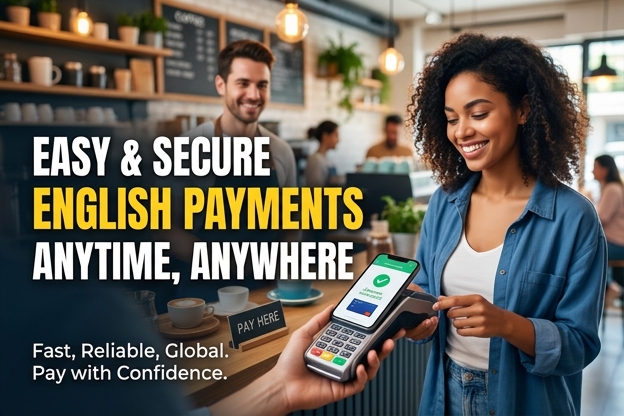
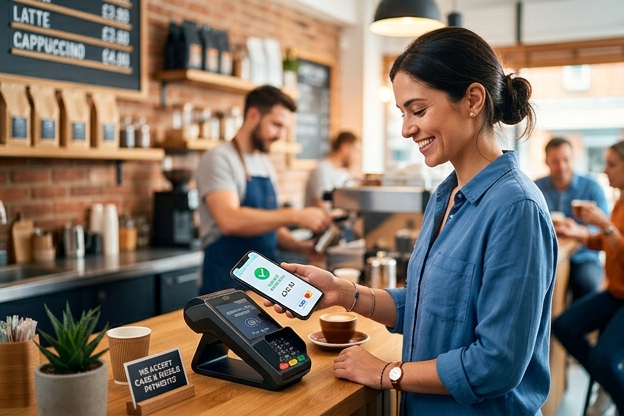
Learn what a store card is, how it works, its pros and risks, and smart ways consumers and merchants can use it effectively for better financial results
Store Card: What It Is, How It Works, and How to Use It Effectively
If you have ever stood at checkout and been offered “extra savings if you open a card today,” you have already met the store card model. For shoppers, the offer can feel tempting and slightly confusing at the same time. For merchants, store cards can lift repeat purchases, average order value, and customer loyalty—but they can also create friction if the offer is poorly explained or tied to weak payment operations.
That is where strategy matters. At Crypto Merchant Accounts, we spend a lot of time helping merchants think beyond simple transaction approval rates and focus on the full customer payment journey. That includes how financing offers, private-label cards, and branded credit products affect conversion, retention, and risk.
A store card is a payment card issued for use at a specific retailer or a small network of related brands. It may work like a closed-loop card usable only at one merchant, or like a co-branded card that also runs on a major network such as Visa or Mastercard. When used well, it can help consumers spread out payments and help retailers build stronger repeat buying behavior.
Still, the fine print matters. Interest rates can be high, promotional financing can backfire if balances are not paid on time, and not every customer benefits equally. The smart approach is to understand how the product works before you apply, swipe, or promote it.
Table of Contents
- What a Store Card Actually Is
- How Store Cards Work Behind the Scenes
- Store Card vs General Credit Card
- Benefits for Shoppers and Merchants
- Risks and Limitations to Watch
- How to Use a Store Card Effectively
- A Real Merchant Perspective from Crypto Merchant Accounts
- Which Businesses Benefit Most
- Where Store Cards Are Headed
What a Store Card Actually Is
A store card is a retailer-linked credit product designed to encourage repeat spending at a particular brand. In the simplest version, the customer can use the card only at that store or family of stores. This is often called a private-label or closed-loop card. A second version is the co-branded store card, which carries the store’s name but also works on a major payment network.
Retailers like store cards because they do more than process payments. They create a long-term relationship. Instead of treating each transaction as a one-time event, the merchant gains a way to reward future purchases, promote financing during big-ticket sales, and gather data on customer buying patterns.
For consumers, the appeal usually comes down to one or more of these incentives:
- Instant discounts on the first purchase
- Exclusive coupons or loyalty rewards
- Special financing for furniture, electronics, jewelry, or home improvement
- Early access to promotions or seasonal sales
- A possible entry point to credit for shoppers with thinner credit files
That said, a store card is still a credit product. It is not “free money,” and it should never be evaluated only by the sign-up discount at the register.
How Store Cards Work Behind the Scenes
Most store cards are issued through a bank partnership. The retailer markets the card, the issuing bank underwrites the customer, and a payment processor or servicing platform handles approvals, billing, statements, and collections. The retailer benefits from increased sales and loyalty, while the issuing bank earns interest and fee revenue.
There are two operating models:
Closed-loop store cards
These work only at the issuing retailer or associated brands. They are common in department stores, apparel chains, furniture retailers, and specialty merchants. Approval standards can be somewhat more flexible than for premium general-purpose credit cards, though that varies by issuer and applicant profile.
Co-branded store cards
These work at the retailer and anywhere the network is accepted. They often offer stronger rewards at the sponsoring brand and standard rewards elsewhere. They usually appeal to more frequent shoppers with stronger credit profiles.
How revenue is generated
A store card program can make money in several ways: interest charges on revolving balances, interchange economics on certain card structures, incremental purchase volume, and lower customer acquisition costs because returning cardholders tend to buy more often. According to the National Retail Federation’s 2024 reporting on consumer and retail trends, loyalty and payment-linked rewards remain a major lever for repeat spending even as consumers become more price sensitive. That matters because store cards sit right at the intersection of payments and loyalty.
“A store card is not just a lending tool. It is a retention engine when the economics, customer experience, and disclosures are aligned,” says a senior payments strategist advising mid-market retailers.
Store Card vs General Credit Card
Many shoppers confuse store cards with standard credit cards, but the differences affect usability, cost, and credit impact. Here is a side-by-side view.
| Card Type | Where It Works | Typical Best Use Case | Main Tradeoff |
|---|---|---|---|
| Department store private-label card | Only at the retailer | Frequent apparel or home shopping with member-only discounts | High APR and narrow usability |
| Furniture store financing card | Only at the furniture chain | Large one-time purchase with promotional financing | Deferred interest can be expensive if missed |
| Co-branded retail card | Retailer plus broad network acceptance | Shoppers loyal to one brand but needing everyday utility | Rewards may be weak outside the sponsor brand |
| General-purpose rewards card | Almost anywhere on the network | Everyday spending across categories | May require stronger credit for best offers |
The biggest practical difference is flexibility. A general credit card is better for broad spending. A store card can be better when you consistently buy from one retailer and pay attention to rewards, financing windows, and statement terms.
Benefits for Shoppers and Merchants
Why consumers say yes at checkout
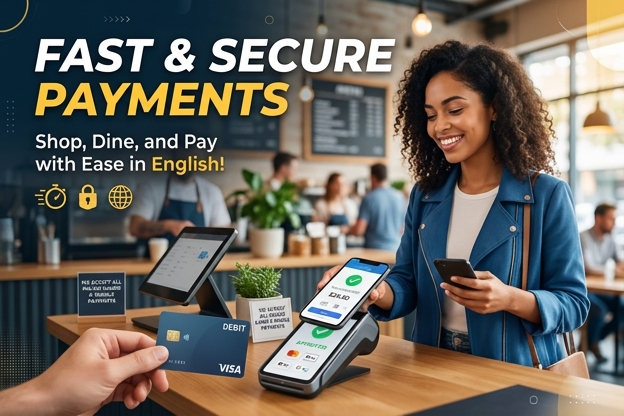
For shoppers, the immediate draw is simple: save money now, pay over time, or get special treatment. In certain categories, that can be genuinely useful. A home improvement customer replacing a broken appliance may prefer a store card with six or twelve months of promotional financing over draining cash reserves.
Store cards can also support credit building if used carefully. Payment history and credit utilization are important scoring factors. According to FICO guidance updated through recent consumer education materials, on-time payments and low balances remain among the strongest indicators of healthy credit behavior. A store card with a small balance paid on time can help some users establish a record.
Why merchants invest in these programs
Retailers are not offering store cards out of generosity. The financial case can be strong when the program is well managed:
- Higher average order value, especially in financed categories
- Stronger repeat purchase rates from enrolled customers
- More targeted promotions based on known purchase behavior
- Reduced dependency on blanket discounting
- A loyalty moat against competitors selling similar products
According to Adobe’s 2024 digital commerce observations, consumers continue to respond strongly to price incentives and payment flexibility during high-intent shopping periods. A store card can combine both, which is why it remains relevant even as buy now, pay later products keep growing.
Risks and Limitations to Watch
Store cards can be useful, but they have sharper edges than many shoppers realize. The most common problem is high APR. Retail cards often carry rates above what strong-credit consumers can find on mainstream credit cards. If you revolve a balance month after month, the value of rewards or sign-up discounts can disappear fast.
Common borrower-side risks
The biggest risks include:
- High interest charges after promotional periods end
- Deferred interest clauses that apply retroactively if the balance is not cleared in time
- Low credit limits that can spike utilization ratios
- Impulse applications driven by checkout pressure
- Overspending caused by reward or discount framing
Common merchant-side risks
Retailers also face tradeoffs. A poorly structured card program can create customer backlash, compliance headaches, and brand trust issues. If staff push applications too aggressively or financing terms are not explained clearly, conversion can rise in the short run while satisfaction falls later.
According to Consumer Financial Protection Bureau commentary and enforcement patterns in recent years, transparent disclosures and fair marketing remain central expectations in consumer finance. Any merchant promoting credit products should treat disclosure quality as a revenue protection issue, not just a legal one.
“When merchants focus only on approval rates, they miss the bigger point: the right card offer should improve customer lifetime value without damaging trust,” notes a retail finance consultant who has worked with national chains and specialty merchants.
How to Use a Store Card Effectively
If you are considering a store card as a shopper, or promoting one as a merchant, the right habits matter more than the headline discount. Here is a practical framework.
For consumers
- Read the APR, promotional financing terms, and any deferred interest language before applying.
- Estimate how often you actually shop with that retailer in a normal year.
- Use the card only if the rewards or financing fit a planned purchase.
- Set automatic payments or alerts to avoid missed due dates.
- Keep utilization low, especially if the card comes with a small limit.
- Pay promotional balances off before the deadline, not on the deadline.
For merchants
Retailers should think about store cards as a full-funnel product, not a script at checkout. The strongest programs usually follow these practices:
- Present financing online, in-cart, and on product pages for higher-ticket items
- Train staff to explain terms clearly without pressure tactics
- Match offers to customer intent instead of blasting one generic promotion
- Track repeat purchase lift, not just sign-up volume
- Coordinate the card strategy with payment acceptance, fraud controls, and CRM data
A Real Merchant Perspective from Crypto Merchant Accounts
I have seen merchants treat store-linked financing as either a silver bullet or an afterthought, and both approaches usually fail. One specialty electronics merchant we advised through Crypto Merchant Accounts had decent traffic, strong products, and a loyal niche following, but cart abandonment spiked on purchases above $700. The merchant assumed the problem was payment gateway friction. Part of it was—but not all of it.
After reviewing checkout data, we noticed a pattern: customers wanted payment flexibility, but the financing message appeared too late. The merchant had a retail card partnership available, yet product pages barely mentioned monthly payment options. We helped restructure the payment presentation so financing appeared earlier in the buying journey, paired with clearer disclosures and a cleaner approval path. Within one quarter, the merchant saw higher completed orders in the financed category and fewer support tickets from confused customers.
In another case, I worked with a home goods seller that wanted to add a private-label card offer while also expanding into alternative payment options. The instinct was to throw every payment method on the page. We advised the opposite. At Crypto Merchant Accounts, we narrowed the options shown by ticket size and shopper behavior. Lower-ticket customers saw simple card acceptance and wallet options. Higher-ticket buyers saw the store card offer with a transparent promotional financing explanation. That segmentation reduced decision fatigue and improved the quality of applications rather than merely increasing volume.
What stood out in both projects was this: store card performance improved when it was integrated into a thoughtful payment architecture. The card itself was not the hero. Clear messaging, strong processing support, and the right customer fit were.
Which Businesses Benefit Most
Not every merchant needs a store card strategy. The best fit usually appears where purchase frequency, average ticket, or category loyalty supports it.
Strong candidates for store card programs
- Furniture and mattress retailers with large basket sizes
- Home improvement and appliance sellers where financing helps close urgent purchases
- Department stores and fashion chains with repeat buying patterns
- Jewelry merchants where promotional financing can reduce purchase hesitation
- Specialty electronics sellers with loyal customer communities
Weaker candidates
Some business types may get less value from a dedicated store card, especially if purchases are infrequent, low-margin, or highly commoditized. In those cases, broader rewards programs, installment plans, or standard card acceptance optimization may produce better results than building or promoting a branded credit product.
According to McKinsey’s consumer and payments research published across 2023 and 2024, shoppers increasingly expect flexible payment experiences, but they also punish complexity. That is a useful reminder: the right payment option is the one that reduces friction without creating confusion.
Where Store Cards Are Headed
Store cards are not disappearing, but they are evolving. Retailers now have to compete not only with traditional credit cards but also with buy now, pay later products, digital wallets, and embedded finance offers. That changes the role of the store card from a simple checkout discount vehicle to part of a broader loyalty-and-finance ecosystem.
Key shifts shaping the next phase
Several trends are pushing store card programs to modernize:
- More personalized offers based on browsing and purchase history
- Stronger digital integration across app, web, and in-store checkout
- Greater scrutiny on disclosures and responsible marketing
- Competition from installment products with simpler user experiences
- Higher demand for seamless approvals and instant account access
For merchants, that means a store card must earn its place. If the customer experience is clunky, or the value proposition is vague, shoppers will choose another payment route. If the offer is relevant, transparent, and easy to use, the store card can still be a powerful revenue tool.
Conclusion
A store card can be a smart financial tool or an expensive mistake, depending on how it is used. For consumers, the biggest factors are frequency of shopping, financing terms, and the discipline to pay on time. For merchants, the program works best when it supports customer retention, higher-value purchases, and a smoother path to conversion rather than acting as a pressure tactic at checkout.
At Crypto Merchant Accounts, our view is simple: payment tools should support trust and growth at the same time. If a store card offer increases revenue but harms customer clarity, it is badly designed. If it aligns with buyer intent and sits inside a strong payment strategy, it can become a meaningful competitive advantage.
Recommended next steps from Crypto Merchant Accounts:
- Audit your checkout and product pages to see whether financing and card offers appear at the right point in the buying journey.
- Review your disclosures, staff training, and customer messaging for clarity and compliance.
- Measure card-driven performance by repeat purchase rate and lifetime value, not just application count.
References
- National Retail Federation, 2024 retail and consumer trend reporting — useful for understanding loyalty, pricing pressure, and repeat spending behavior.
- Adobe, 2024 digital commerce trend observations — helpful for payment flexibility and promotional response patterns in online retail.
- FICO consumer education materials updated through recent years — relevant for payment history, utilization, and credit-building fundamentals.
- Consumer Financial Protection Bureau guidance and enforcement patterns — important for disclosure expectations and fair marketing of credit products.
- McKinsey consumer and payments research from 2023 and 2024 — useful for broader shifts in payment preferences and embedded finance behavior.
FAQ
Store Card: What It Is, How It Works, and How to Use It Effectively?
-
A store card is a retailer-linked credit card, usually usable only at one store or brand family, though some co-branded versions work on major card networks too. It works best when you shop that retailer often, understand the APR and promotional terms, and pay balances on time to avoid high interest costs.
Does a store card help build credit?
-
It can. If the issuer reports to credit bureaus and you make on-time payments while keeping balances low, a store card may support credit building. The opposite is also true: late payments or high utilization can hurt your credit profile.
Are store cards bad because the interest rates are high?
-
Not automatically, but they require more discipline than many shoppers expect. They can make sense if you use them for planned purchases and pay on time. They become expensive when you carry balances for long periods or miss the cutoff on promotional financing.
What is the difference between a store card and a regular credit card?
-
A regular credit card usually works almost anywhere on its payment network, while a store card is often limited to one retailer or a small brand group. Store cards may offer stronger brand-specific perks, but they usually provide less flexibility and can carry higher APRs.
Should merchants promote store cards at checkout only?
-
No. The strongest merchants introduce financing or store card value earlier in the shopping journey, especially on high-ticket product pages and in cart. That gives customers time to evaluate the offer instead of feeling pressured at the final step.
Can a store card be better than buy now, pay later?
-
Sometimes. A store card may be better for frequent shoppers who want ongoing rewards and repeated financing access. Buy now, pay later can be simpler for one-off purchases, but it may not provide the same loyalty value or long-term credit relationship. The right choice depends on cost, clarity, and how often you use the retailer.