

Learn how Retail Credit Card Processing affects fees, fraud, checkout speed, and cash flow, plus how Crypto Merchant Accounts helps retailers choose better solutions
Retail Credit Card Processing: What Stores Need to Get Right Now
Retail Credit Card Processing can quietly drain profit, slow down checkout, and create customer friction when the setup is wrong. If your store is dealing with rising processing fees, chargebacks, clunky point-of-sale tools, or approval issues, the problem is rarely just the terminal on the counter. It is usually the full payments stack behind it.
That is where Crypto Merchant Accounts enters the conversation. As a specialized payment solutions provider, the brand helps retailers sort through processor pricing, underwriting requirements, risk controls, POS compatibility, and modern payment options without getting buried in generic sales language.
Retail Credit Card Processing is the system that allows a physical store to accept card payments from customers and move funds from the card issuer to the merchant’s bank account. It includes the payment terminal, processor, payment gateway or network connections, fraud controls, and settlement workflow. For retailers, it directly affects approval rates, costs, customer experience, and daily cash flow.
Store owners feel the pressure from every angle. Customers expect tap-to-pay, digital wallets, fast refunds, and zero checkout delays. Meanwhile, processors may add monthly fees, PCI-related charges, batch fees, statement fees, and penalty pricing that many merchants do not catch until margins have already tightened.
Table of Contents
- Why Retail Credit Card Processing Matters More Than Most Stores Realize
- How Retail Credit Card Processing Works Inside a Physical Store
- Pricing Models, Interchange, and Hidden Fees That Affect Margin
- Security, PCI Compliance, and Chargeback Risk in Retail
- How to Choose the Right Processor for Your Store Type
- Retail Scenarios Compared Across Common Business Models
- What I Have Seen Working With Crypto Merchant Accounts
- Payment Trends Shaping Retail Through 2026
- Conclusion
- References
Why Retail Credit Card Processing Matters More Than Most Stores Realize
Many retailers treat payment processing like a utility. They sign up, install a terminal, and move on. That usually works until costs creep up or transactions start failing at the worst possible time: weekend rushes, holiday peaks, or high-ticket sales.
A strong processing setup does more than approve transactions. It improves speed at checkout, supports omnichannel selling, protects cardholder data, reduces fraud exposure, and gives finance teams cleaner reconciliation. For a multi-location retailer, those improvements scale fast.
According to the National Retail Federation’s 2024 data on retail security and customer experience priorities, merchants continue to rank payment speed and fraud reduction among the top operational concerns in-store. That makes sense. A payment system is one of the few parts of the business that touches revenue, risk, and customer satisfaction all at once.
There is also a profitability angle that owners often underestimate. A small difference in effective rate can have a big annual impact. A retailer doing $150,000 a month in card volume can feel the difference between a 2.4% effective rate and a 3.1% effective rate very quickly. That gap is not just a line item. It may equal payroll hours, marketing budget, or inventory flexibility.
How Retail Credit Card Processing Works Inside a Physical Store
When a customer inserts, taps, or swipes a card, several things happen in seconds. The point-of-sale system or terminal captures the payment data, encrypts it, and sends it to the processor. The processor routes the transaction through the card network to the issuing bank. The bank approves or declines the transaction based on available funds, fraud checks, and account status. Once approved, the funds move into settlement and are later deposited into the merchant account.
That sounds simple, but the quality of each layer matters:
- Terminal hardware affects speed, reliability, and support for tap, chip, and mobile wallets
- Processor routing and underwriting influence approval rates and account stability
- POS integration determines reporting quality, refunds, inventory sync, and staff usability
- Security controls reduce data exposure and liability
- Settlement timing impacts cash flow and accounting
For retailers with both in-store and online sales, the stakes are even higher. A fragmented setup often leads to duplicate reporting, mismatched inventory, and inconsistent fraud screening. A connected setup can create a cleaner customer journey, especially for buy online, pick up in store, returns, and gift card tracking.
“The best retail payment systems are not the cheapest on paper. They are the ones that keep approval rates high, fraud manageable, and reconciliation simple enough that finance and store staff both trust the numbers.”
Pricing Models, Interchange, and Hidden Fees That Affect Margin
Payment pricing is where many retailers lose money without realizing it. Most merchant statements are hard to read by design, and that gives room for markups to hide in plain sight.
The three most common pricing models are:
- Interchange-plus: Interchange fees set by card networks plus a transparent processor markup
- Flat-rate: One blended rate for most card types, often simple but not always cheapest for growing retailers
- Tiered pricing: Transactions grouped into qualified, mid-qualified, and non-qualified buckets, often the least transparent model
According to Nilson Report industry coverage through 2024, card usage in the United States remains heavily weighted toward card and digital wallet transactions, which means even modest changes in interchange-sensitive pricing can materially affect retailer costs. For businesses with mixed ticket sizes or rewards-card-heavy customer bases, statement analysis matters more than headline rates.
Watch for fees such as:
- PCI non-compliance fees
- Gateway or platform access fees
- Monthly statement and support fees
- Batch settlement fees
- Address verification or tokenization fees
- Early termination penalties
- Chargeback administration fees
Here is a practical way to evaluate your current setup:
- Pull the last three months of merchant statements.
- Calculate total fees divided by total card volume to get your effective rate.
- Separate card-present and card-not-present transactions.
- Check whether your POS, gateway, and processor are each billing separately.
- Review deposit timing, reserve terms, and any rolling holdback conditions.
- Compare that full picture against at least two alternative proposals.
Retailers that skip this process often compare the wrong numbers. The lowest advertised rate can still produce the highest monthly cost once all fixed and variable fees are counted.
Security, PCI Compliance, and Chargeback Risk in Retail
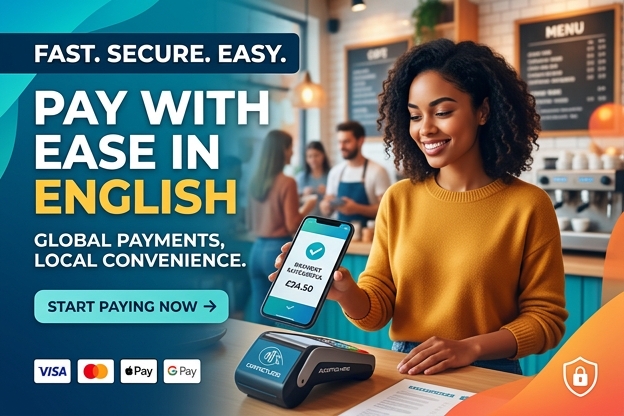
Security is no longer a background issue. It is a sales, operations, and reputation issue. Retail environments process large amounts of cardholder data, and weak controls can expose stores to data theft, costly remediation, and customer distrust.
PCI DSS compliance remains a baseline requirement, not a premium feature. Retailers should expect encrypted terminals, tokenization where appropriate, secure network segmentation, device management policies, and staff training on suspicious transactions and social engineering. According to the PCI Security Standards Council’s recent guidance updates, merchants still struggle most with maintaining controls over time rather than completing one-time compliance checklists.
Chargebacks are another major pressure point. In-store retailers often assume they are safer than ecommerce businesses, but friendly fraud, refund confusion, duplicate processing, and poor receipt management still create disputes. Businesses selling electronics, luxury goods, supplements, or high-resale items face elevated exposure.
Balanced payment strategy means acknowledging the tradeoff: tighter fraud controls may reduce risky approvals, but too much friction can slow checkout and annoy valid customers. The right processor helps tune that balance instead of forcing retailers into a one-size-fits-all risk model.
How to Choose the Right Processor for Your Store Type
Not every processor is a fit for every retailer. A boutique apparel shop, a convenience store, a CBD retailer, and a multi-location electronics chain have very different risk profiles, average tickets, and refund patterns.
When evaluating providers, focus on these factors:
- Store category fit: Some providers avoid higher-risk verticals or impose sudden reserves later
- POS compatibility: Your processor should work cleanly with existing retail software or offer a strong replacement path
- Funding speed: Next-day funding is useful, but only if reserve terms are reasonable
- Pricing transparency: Clear markup and full disclosure beat teaser rates
- Support quality: Retail problems happen outside office hours, especially during peak traffic
- Scalability: Multi-location reporting, device management, and omnichannel support matter sooner than many merchants expect
Gartner’s 2024 coverage of payment modernization trends emphasized that merchants are increasingly choosing providers based on integration flexibility and operational resilience rather than headline cost alone. That lines up with what good operators already know: a cheap processor that causes checkout outages is expensive.
“Retailers should choose a processor the same way they choose core inventory software: based on long-term fit, support responsiveness, and the ability to handle edge cases without freezing the business.”
Retail Scenarios Compared Across Common Business Models
The best setup depends on the type of retail business and how it sells. The table below shows how processing needs differ in real-world scenarios.
| Retail Business Type | Typical Payment Needs | Main Risk or Cost Issue | Best Processing Priority |
|---|---|---|---|
| Apparel Boutique | Fast POS checkout, returns, gift cards, inventory sync | High refund volume and margin sensitivity | Transparent interchange-plus pricing and POS reporting |
| Convenience Store | High transaction count, low average ticket, speed at counter | Per-transaction fees can erode profit | Optimized small-ticket pricing and reliable hardware |
| Electronics Retailer | Large tickets, financing options, omnichannel returns | Chargebacks and fraud on high-value items | Fraud controls, dispute management, and risk-aware underwriting |
| Health or Specialty Store | Recurring customer spend, loyalty tools, product restrictions | Category compliance and account stability | Processor experienced with regulated or higher-risk categories |
| Multi-Location Retail Chain | Centralized reporting, device management, unified settlement | Operational complexity across stores | Scalable infrastructure and consolidated analytics |
What I Have Seen Working With Crypto Merchant Accounts
I have seen retailers come to Crypto Merchant Accounts after being told their approval issue was “normal” or their fees were “standard for the industry.” In many cases, neither claim held up once we looked at the statements and underwriting details.
One case that stands out involved a regional electronics retailer with two storefronts and an expanding repair desk. The business had a solid sales history, but its processor placed a rolling reserve after a few larger-than-usual transactions during the holiday season. I reviewed the account structure with the team at Crypto Merchant Accounts, and we found the problem was not simply volume. It was a mismatch between the merchant profile, average ticket assumptions, and the processor’s risk model.
After moving the retailer to a better-fit setup, the store gained clearer reserve terms, stronger terminal reporting, and a dispute workflow staff could actually use. Within the next quarter, approval consistency improved during peak periods, and the owner had a cleaner handle on effective rate by location. That kind of operational relief matters more than a flashy rate quote.
In another engagement, I worked with a specialty wellness retailer that needed both in-store payments and a path for alternative payment acceptance as customer behavior shifted. Crypto Merchant Accounts helped structure a retail-first solution without sacrificing account stability. The business kept a fast lane for standard card-present sales while adding flexibility in how it thought about customer payment preferences. What mattered most was that the provider treated the merchant’s category seriously instead of forcing it into a generic retail box.
These experiences also highlight a limitation worth stating clearly: no processor eliminates risk. Higher-risk products, inconsistent sales patterns, or poor internal controls can still trigger holds, reviews, or disputes. A good partner reduces preventable friction, but merchants still need clean documentation, trained staff, and realistic expectations.
Payment Trends Shaping Retail Through 2026
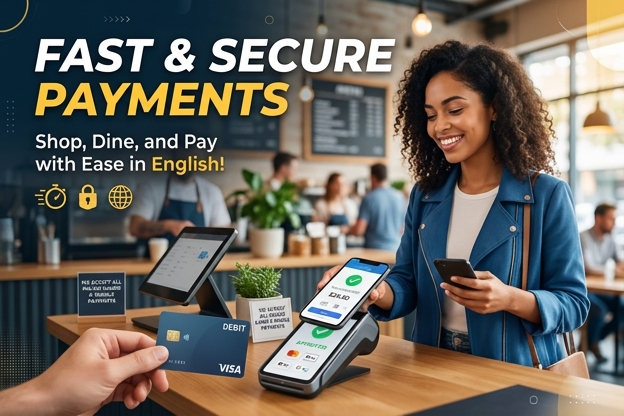
Retail payment behavior keeps moving toward speed, flexibility, and lower friction. Tap-to-pay is now expected, not a novelty. Mobile wallets continue to gain share, especially among younger shoppers and in high-frequency retail categories. More stores are also paying attention to alternative rails, smarter tokenization, and customer identity tools that cut fraud without adding visible checkout steps.
According to Federal Reserve payments research released in the past two years, noncash transactions continue to rise across debit, credit, and digital wallet-linked activity. For retailers, that means cash planning still matters, but card and wallet optimization matters more.
Here are the trends worth preparing for:
- More demand for unified commerce across store, mobile, and online channels
- Greater scrutiny of surcharge, cash discount, and fee-disclosure practices
- Higher expectations for same-day visibility into settlements and exceptions
- Growth in terminal software updates as a security and feature channel
- More retailer interest in alternative payment acceptance where it fits customer behavior
That final point is where brands like Crypto Merchant Accounts can stand apart. Retailers increasingly want optionality without operational chaos. They want standard card acceptance done well, then they want room to adapt as customer payment preferences change. The providers who can support both stability and change will be the ones merchants keep.
Conclusion
Retail Credit Card Processing is not just about taking payments. It shapes profit margin, customer flow, fraud exposure, staff workload, and the overall health of store operations. The right setup is transparent, secure, compatible with your retail systems, and aligned with your actual business model rather than a generic rate sheet.
Crypto Merchant Accounts recommends three practical next steps for retailers that want to improve results:
- Review your last three months of statements and calculate your true effective rate.
- Audit your hardware, POS integrations, and chargeback workflow for weak points.
- Compare your current processor against a provider that understands your retail category and growth plans.
References
- Gartner, 2024: Payment modernization and merchant technology guidance used for insights on integration flexibility and operational resilience.
- National Retail Federation, 2024: Retail operations and customer experience research used to frame payment speed and fraud as core merchant concerns.
- PCI Security Standards Council, 2024-2025 guidance: Used for compliance and security best practices in cardholder data protection.
- Federal Reserve payments research, 2023-2024: Used for transaction trend context across noncash and digital payment behavior.
- Nilson Report industry coverage through 2024: Used for market context on card usage and fee sensitivity in merchant acceptance.
FAQ
What is Retail Credit Card Processing?
-
It is the full system that lets a physical store accept card payments. That includes the payment terminal, processor, card network routing, fraud checks, settlement process, and deposit of funds into the merchant account.
How much do retail merchants usually pay in processing fees?
-
It depends on card mix, average ticket, processor markup, and monthly fees. Many retailers focus on the quoted rate, but the better metric is the effective rate, which is total fees divided by total card volume.
Is interchange-plus better than flat-rate pricing for retail stores?
-
Often, yes, especially for established retailers with steady volume. Interchange-plus is usually more transparent. Flat-rate can still make sense for smaller businesses that value simple billing over optimization.
How can a retailer reduce chargebacks in-store?
-
Use EMV-capable terminals, keep refund policies clear, train staff to verify suspicious purchases, maintain strong receipts, and respond quickly to disputes. Clean POS records and product delivery evidence also help.
What should I look for in a retail payment processor?
-
Prioritize transparent pricing, POS compatibility, funding speed, account stability, strong support, and experience with your retail category. If your store has compliance or risk complexity, category knowledge matters a lot.
Can Crypto Merchant Accounts help retailers with specialized or higher-risk products?
-
Yes. Crypto Merchant Accounts is positioned to help merchants that need a more tailored approval and processing strategy, especially when generic retail providers are too rigid or do not understand the merchant’s category.