
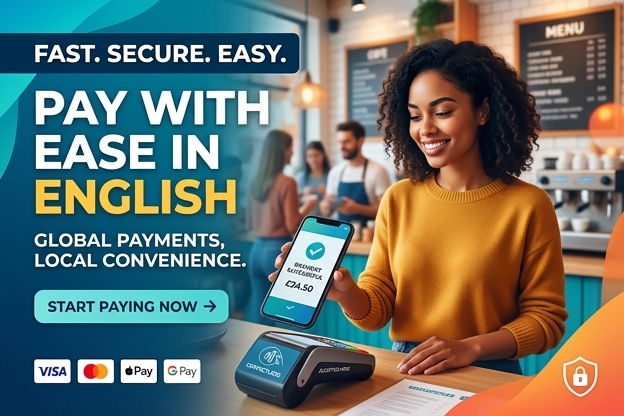
Learn how to choose the best cryptocurrency debit card by comparing top options, fees, rewards, security, tax considerations, and real-world use cases from Crypto Merchant Accounts
Cryptocurrency Debit Card: Best Options, Fees, and How to Choose One
If you want to spend crypto without manually cashing out every time, a cryptocurrency debit card can feel like the missing link between your wallet and everyday life. The real problem is that not all cards work the same way: some charge steep conversion fees, some limit rewards, and some look great on paper but fall short on compliance, ATM access, or supported assets.
That is where experienced payment specialists matter. Crypto Merchant Accounts has worked with businesses and crypto-focused merchants that need practical ways to bridge digital assets and traditional card rails, and the same decision-making principles apply to individuals choosing a card for personal spending. Picking the right product is less about hype and more about fees, custody, geographic availability, security controls, and how quickly crypto is converted at the point of sale.
A cryptocurrency debit card is a payment card that lets you spend value linked to your crypto balance, usually by converting digital assets into fiat currency when you make a purchase or load the card. In simple terms, it works like a traditional debit or prepaid card, but crypto funds are the source behind the transaction instead of a standard checking account.
Table of Contents
- How a Cryptocurrency Debit Card Actually Works
- Best Cryptocurrency Debit Card Options to Compare
- The Fees That Matter Most
- How to Choose the Right Card
- Security, Compliance, and Tax Considerations
- Real-World Use Cases and Brand Experience
- Benefits, Tradeoffs, and Red Flags
- How to Get Started Step by Step
- What Is Changing in Crypto Card Adoption
How a Cryptocurrency Debit Card Actually Works
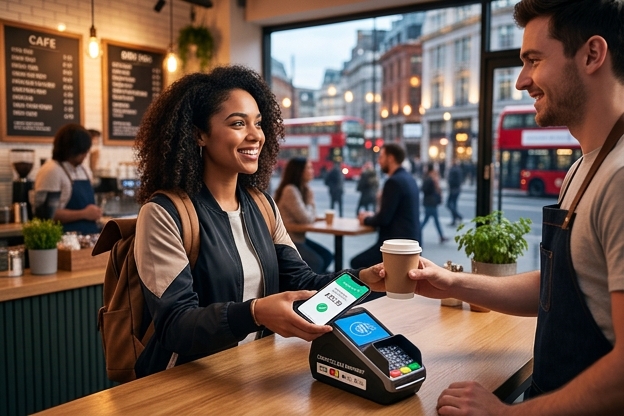
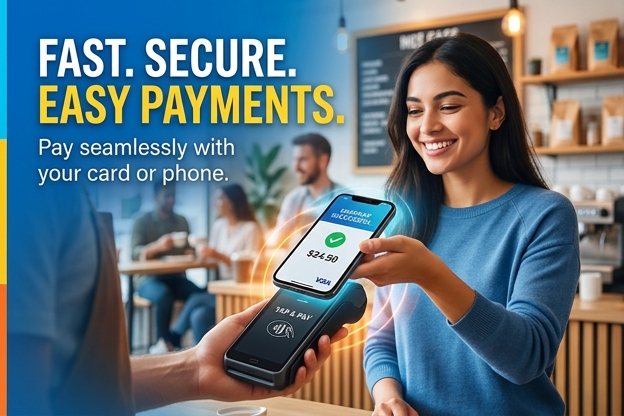
Most cryptocurrency debit cards are not true debit cards in the banking sense. They are often prepaid or custodial card products linked to an app where you hold crypto, convert it, and spend through Visa or Mastercard networks. When you tap the card at a merchant, the provider either draws from your fiat balance or sells crypto in real time to settle the transaction.
That difference matters. Some cards require you to preload U.S. dollars first. Others let you hold Bitcoin, Ethereum, or stablecoins and convert automatically at checkout. The smoother the conversion flow, the more usable the card feels, but ease can come with hidden costs such as spread markups, foreign transaction fees, or monthly inactivity charges.
According to the Federal Reserve’s more recent payments research, consumers continue shifting toward card-based and digital payment behavior, which helps explain why crypto card products keep gaining attention. Meanwhile, major exchange and fintech providers have invested heavily in compliance and embedded spending tools since 2023, signaling that crypto spending is moving from novelty to a practical niche use case.
“The best crypto card is rarely the one with the loudest rewards headline. It is the one whose conversion rules, geographic coverage, and custody model match how you actually spend.”
What happens when you make a purchase
In most cases, the payment flow looks like this:
- The card is authorized on a standard payment network.
- The issuer checks your available fiat or crypto-linked balance.
- If needed, the platform converts crypto to fiat.
- The merchant receives fiat, not crypto.
- The transaction appears in your app with any associated fee or reward.
For users who assume they are paying merchants directly in Bitcoin, this is often the first surprise. In practice, the merchant usually sees a normal card transaction, while the crypto-to-fiat mechanics happen behind the scenes.
Best Cryptocurrency Debit Card Options to Compare
The market changes by country, licensing status, and issuer partnerships, so availability can shift. Still, a few card categories consistently stand out: exchange-backed cards, fintech crypto cards, stablecoin spending cards, and business-focused solutions.
| Card Type | Best For | Typical Fee Pattern | Main Watch-Out |
|---|---|---|---|
| Exchange-backed retail card | Users already holding crypto on a major exchange | Low monthly cost, possible conversion spread, ATM caps | Limited control if you prefer self-custody |
| Stablecoin-linked card | People who want less volatility before spending | Often simpler spending economics, fewer price swings | Stablecoin support and redemption structure vary |
| Rewards-focused premium card | Frequent spenders chasing cashback or token perks | May require staking, tier lockups, or higher FX fees | Rewards can change quickly with token prices |
| Business crypto expense card | Teams managing digital-asset operating funds | Platform and card fees may be bundled into treasury tools | Compliance, accounting, and approval workflows are critical |
| Travel-oriented multicurrency crypto card | Cross-border users and digital nomads | Good on foreign purchases, but ATM and weekend spreads may apply | Country restrictions can be strict |
What separates strong options from weak ones
Strong products usually offer transparent exchange rates, instant card freezing, clear regional terms, and broad app controls. Weak products tend to bury key details in fee schedules, make support hard to reach, or rely on promotional reward structures that can disappear without much notice.
According to Chainalysis reporting from 2024, stablecoins continued to play an outsized role in practical crypto transactions because users value price stability during transfers and spending. That has made stablecoin-compatible cards more appealing than cards centered purely on volatile assets.
The Fees That Matter Most
If you compare only the annual fee or the flashy cashback percentage, you can miss the real cost of using a cryptocurrency debit card. The most expensive card is often the one with the least obvious fee structure.
Core fees to review before you apply
- Crypto conversion fee: A direct percentage charged when digital assets are sold into fiat.
- Spread markup: The difference between market price and the rate you actually receive.
- ATM withdrawal fee: Common after a monthly free limit.
- Foreign transaction fee: Important for travelers and remote workers.
- Monthly maintenance fee: Less common now, but still present on some products.
- Inactivity fee: Easy to overlook if you only spend occasionally.
- Card replacement fee: Can matter if you travel or rely on a physical card.
Why rewards can be misleading
A 2% crypto cashback offer sounds great until you realize the card adds a 1.5% conversion spread and a foreign transaction fee on top. Rewards should be treated as a secondary feature, not the reason to choose a card. This is especially true if rewards are paid in a native token whose value can swing sharply.
According to Deloitte’s more recent digital asset surveys, trust, regulation, and usability remain bigger adoption factors than incentive programs alone. That lines up with what many users learn after a few months of actual spending: reliability beats promotional yield.
How to Choose the Right Card
The right choice depends on how often you spend, where you live, whether you travel internationally, and whether you are comfortable with custodial crypto platforms. A card that works well for a U.S.-based freelancer paid in stablecoins may be a poor fit for a long-term Bitcoin holder who rarely sells.
Questions to ask before deciding
- Do you want to spend volatile crypto, or would you rather hold stablecoins?
- Is the card available and fully supported in your state or country?
- Are there daily spending or ATM limits that could affect you?
- Do you need Apple Pay or Google Pay integration?
- Can you freeze the card instantly and set transaction alerts?
- Will the provider issue tax reports or exportable transaction data?
- Are you comfortable leaving funds with a custodial exchange or app?
The strongest fit by user profile
For everyday consumers: Look for simple fiat conversion, low hidden fees, and broad merchant acceptance.
For travelers: Prioritize foreign transaction terms, ATM access, and multicurrency support.
For stablecoin earners: A card with direct stablecoin funding often reduces volatility-related stress.
For businesses: Focus on spend controls, accounting exports, approvals, and treasury visibility over flashy rewards.
“If your card setup makes tax reporting harder, it is not a convenience product. It is an accounting problem waiting to happen.”
Security, Compliance, and Tax Considerations
Crypto cards sit at the intersection of digital asset custody and regulated card payments. That creates convenience, but it also creates responsibility. If your provider is hacked, pauses withdrawals, or changes regional support, your spending access can be affected immediately.
Security features worth insisting on
- Two-factor authentication
- Instant card freeze and unfreeze
- Biometric app access
- Real-time spending alerts
- Device management and login history
- Withdrawal whitelists where applicable
Tax treatment is not optional
In many jurisdictions, spending crypto can trigger a taxable event because you are disposing of an asset. That means every coffee, flight, or software subscription bought through a crypto-funded card may create a gain or loss calculation depending on cost basis and local rules. IRS guidance in the United States has kept digital asset reporting firmly in focus, and users should not assume small card purchases are invisible from a recordkeeping standpoint.
If you use a card frequently, choose a platform that exports transaction data cleanly. The best user experience is not just smooth spending; it is smooth reconciliation at tax time.
Real-World Use Cases and Brand Experience
At Crypto Merchant Accounts, we have seen two very different card-related needs emerge. The first comes from businesses operating in crypto-adjacent sectors that need practical treasury and expense solutions. The second comes from founders and contractors who are paid in digital assets and want a predictable way to cover ordinary business expenses.
In one client scenario, I worked with a small international software team that was holding part of its operating capital in stablecoins. Their problem was not access to funds. It was workflow friction. Team members kept making ad hoc conversions from crypto to bank transfers, which slowed reimbursement cycles and made expense tracking messy. We helped them evaluate a card-linked spending structure with tighter controls, cleaner reporting, and fewer one-off conversions. The result was not just faster spending. It was far better visibility into where treasury funds were going each month.
In another case, I spoke directly with an online merchant owner who assumed a premium crypto card would save money because of its rewards program. After reviewing the actual statements, the picture changed. Between conversion spread, ATM usage while traveling, and a token-staking commitment that no longer fit the owner’s strategy, the card was costing more than expected. We recommended a lower-friction setup centered on stablecoin liquidity and straightforward spending rules. The owner cared less about earning rewards after seeing how much hidden cost had eaten into them.
Those experiences are a reminder that the best card is often the least dramatic one. Clean economics beat aggressive marketing almost every time.
Benefits, Tradeoffs, and Red Flags
What users like most
- Fast access to spending power without manual cash-outs
- Potential rewards on purchases
- Useful bridge for freelancers and remote workers paid in crypto
- Convenient for travel when supported internationally
- Integrated apps that combine wallet, exchange, and card controls
Where problems show up
- Unexpected taxable events from frequent spending
- Asset volatility if purchases are funded from non-stable crypto
- Custodial risk when funds sit on a centralized platform
- Changing reward structures or staking requirements
- Regional shutdowns or limited availability
Red flags that should make you pause
If a provider does not clearly state fee details, lacks a transparent licensing or issuer relationship, or makes it hard to understand how and when conversion happens, move on. Another warning sign is an incentive model that seems to depend heavily on token lockups rather than a sustainable product structure.
How to Get Started Step by Step
If you are ready to try a cryptocurrency debit card, use a structured process rather than applying based on marketing copy alone.
- Define your spending pattern. Estimate monthly card spend, ATM use, and travel frequency.
- Choose your funding asset. Decide whether you will spend Bitcoin, Ethereum, or stablecoins.
- Compare fee schedules carefully. Review conversion fees, spreads, FX charges, and limits.
- Check geographic availability. Confirm support for your country, state, and expected travel regions.
- Review security controls. Make sure the app supports freeze, alerts, and strong authentication.
- Test reporting tools. Verify whether exports work for bookkeeping and tax preparation.
- Start small. Use the card on low-risk transactions before making it part of your routine.
What Is Changing in Crypto Card Adoption
Crypto spending tools are becoming more practical, but the winners are likely to be products that feel boring in the best possible way: regulated, transparent, easy to reconcile, and stable in how they handle conversion. Since 2023, the industry has been moving away from pure hype and toward infrastructure quality. Stablecoin rails, stronger compliance expectations, and better app-based controls are all pushing the category in that direction.
Business use may become especially important. As more globally distributed teams hold at least part of their treasury in digital assets, card-linked expense systems can reduce operational friction. Still, that growth will depend on reporting quality and regulatory clarity just as much as on consumer demand.
Conclusion
A cryptocurrency debit card can be genuinely useful when it lowers friction between digital assets and daily spending. The best options are usually the ones with transparent pricing, sensible limits, strong security controls, and clear tax reporting support. Rewards matter, but only after you understand the real conversion cost and custody model.
Crypto Merchant Accounts recommends three practical next steps:
- Audit your likely monthly use so you can compare cards based on real behavior, not generic reviews.
- Prioritize stable, transparent fee structures over high promotional rewards.
- Choose a provider that makes compliance, recordkeeping, and security easy from day one.
References
- Chainalysis, 2024 reporting: Helped frame the growing role of stablecoins in practical crypto transactions and spending behavior.
- Deloitte digital asset surveys, 2024: Provided insight into adoption drivers such as trust, usability, and regulatory confidence.
- Federal Reserve payments research: Supported the broader trend toward card and digital payment usage in consumer behavior.
- IRS digital asset guidance: Informs the tax treatment considerations tied to spending crypto through card products.
FAQ
What is a cryptocurrency debit card?
A cryptocurrency debit card lets you spend funds connected to your crypto holdings, usually by converting digital assets into fiat currency when you load the card or make a purchase. To the merchant, it usually looks like a normal card transaction.
Which Cryptocurrency Debit Card: Best Options, Fees, and How to Choose One factors matter most?
The biggest factors are usually:
Conversion fees and exchange spread
Supported cryptocurrencies and stablecoins
Security controls such as card freeze and two-factor authentication
Tax reporting and transaction exports
Geographic availability and foreign transaction terms
Are crypto debit card purchases taxable in the United States?
Often, yes. Spending crypto may count as disposing of an asset, which can trigger a capital gain or loss calculation. Rules vary by situation, so accurate records and tax advice are important.
Are stablecoins better for crypto card spending than Bitcoin?
For many users, yes. Stablecoins reduce volatility between the time you hold funds and the time you spend them. That can make budgeting and treasury management simpler, especially for everyday purchases.
What are the biggest risks of using a cryptocurrency debit card?
The most common risks include:
Hidden conversion costs or wide spreads
Custodial platform risk
Tax complexity from frequent small transactions
Reward changes or staking-related lockups
Regional availability changes