
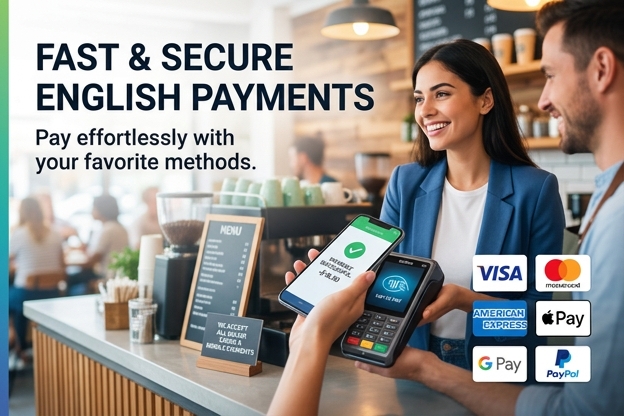
Learn how CBD businesses can secure high-risk credit card processing with better approval odds, lower chargebacks, and stable payment solutions from Crypto Merchant Accounts
CBD Credit Card Processing for Businesses: What Merchants Need to Know Right Now
If you sell CBD, you already know the hardest part is not always marketing, inventory, or shipping. It is getting paid consistently. CBD Credit Card Processing for Businesses: Secure, High-Risk Payment Solutions has become a major search topic because many banks and processors still treat hemp-derived products as high-risk, even when a company is operating legally. That means delayed approvals, frozen funds, rolling reserves, sudden account terminations, and chargeback pressure that can choke cash flow.
That is where Crypto Merchant Accounts enters the conversation. Businesses in this category need more than a basic gateway or a cheap advertised rate. They need underwriting that understands cannabinoids, compliant ecommerce flows, fraud controls, and banking relationships built for elevated-risk verticals. A processor that works well for apparel or home décor often fails badly for CBD.
CBD credit card processing for businesses refers to merchant account services designed to help CBD brands accept card payments while managing the extra compliance, fraud, and banking scrutiny attached to the industry. These solutions usually include high-risk underwriting, payment gateway support, chargeback mitigation, reserve policies, and ongoing compliance monitoring.
The key difference is simple: a standard processor is built for low-risk retail, while a CBD-friendly processor is built to keep legitimate high-risk merchants approved, funded, and stable over time.
Table of Contents
- Why CBD businesses are classified as high-risk
- How CBD credit card processing actually works
- What to look for in a secure high-risk payment solution
- Rates, reserves, and underwriting realities
- Comparing payment setups for common CBD business models
- How Crypto Merchant Accounts solves real merchant problems
- Compliance, fraud prevention, and chargeback control
- How to apply and improve approval odds
- Where CBD payments are heading next
- What to do next
Why CBD Businesses Are Classified as High-Risk
CBD merchants are often surprised when they hear, “Your products are legal, but your processing profile is still high-risk.” That tension comes from how financial institutions evaluate exposure. They are not only looking at legality. They are looking at regulatory ambiguity, marketing claims, refund patterns, card-not-present fraud, recurring billing risk, and the possibility of abrupt policy changes by sponsor banks.
Even after the 2018 Farm Bill changed the conversation around hemp, payments never became friction-free. Card brands, acquiring banks, and payment facilitators still apply their own risk rules. A merchant can be compliant under federal hemp standards and still be rejected because the processor lacks appetite for nutraceuticals, ingestibles, subscriptions, or continuity offers.
According to the Federal Trade Commission, health and wellness marketing remains a major enforcement area, especially when companies make unsupported treatment claims. That matters because processors look closely at your website copy, product descriptions, refund language, and ad funnels. A risky claim on a landing page can become a payments problem.
“In high-risk payments, approval is rarely about one single factor. It is about whether the bank believes the merchant can operate transparently, fulfill orders consistently, and control consumer disputes.”
How CBD Credit Card Processing Actually Works
At a basic level, CBD processing uses the same card rails as any other ecommerce or retail transaction. The difference is in who is willing to underwrite the merchant and under what conditions. Instead of sliding into a mainstream instant-approval setup, a CBD business typically goes through manual review with a high-risk acquiring bank, a specialized payment gateway, and more detailed compliance checks.
Here is what the stack usually includes:
- Merchant account: The bank-supported account that allows your business to accept Visa, Mastercard, and sometimes alternative methods.
- Payment gateway: The technology that securely transmits the transaction from your website, cart, or terminal to the processor.
- Acquiring bank: The institution that takes on underwriting risk and settles funds.
- Fraud tools: AVS, CVV checks, 3D Secure where available, velocity limits, device intelligence, and risk scoring.
- Chargeback support: Alerts, representment help, descriptor optimization, and order-evidence workflows.
For online CBD brands, the issue is rarely “Can my customer use a card?” The issue is “Can my processor keep my MID active for the long term?” Sustainability matters more than flashy onboarding. A cheap rate is meaningless if the account shuts down after a traffic spike or an ad campaign increases dispute volume.

What to Look for in a Secure High-Risk Payment Solution
Not all “CBD-friendly” providers are equally prepared. Some are brokers with limited bank relationships. Some can board tincture merchants but not edibles. Some support domestic processing but struggle with international orders or subscription billing. The strongest partner is the one that matches your exact model.
Core features that actually matter
- Transparent underwriting: Clear documentation requirements, reserve policies, and prohibited-product rules.
- Website compliance review: Guidance on disclaimers, age restrictions, product labeling, and claim language.
- Gateway compatibility: Smooth integration with Shopify alternatives, WooCommerce, BigCommerce, custom carts, or virtual terminal setups.
- Chargeback tools: Pre-dispute alerts, compelling evidence workflows, and recurring-billing controls.
- Reserve flexibility: Terms based on actual risk profile rather than one-size-fits-all holdbacks.
- Multi-bank access: A wider acquiring network reduces concentration risk.
- Fast support: Real humans who understand CBD, not generic support scripts.
According to a 2024 LexisNexis Risk Solutions report on fraud and payment friction in ecommerce, merchants continue to face growing fraud pressure as digital transactions rise, especially in sectors where card-not-present sales dominate. For CBD sellers, that means the processor’s fraud stack is not a side feature. It is a core operating asset.
Questions merchants should ask before signing
Ask whether the provider supports your exact product mix, not just “CBD” in general. Topicals, gummies, vapes, pet products, and subscriptions can trigger different underwriting treatment. Also ask how long funding takes, whether reserves are fixed or reviewable, and what happens if monthly volume doubles.
You should also request a plain-English explanation of:
- Monthly and per-transaction fees
- Rolling reserve percentage and duration
- Chargeback thresholds
- Settlement timing
- Gateway, PCI, and annual fees
- Termination clauses and early closure penalties
Rates, Reserves, and Underwriting Realities
CBD merchants often focus first on processing rates, but rates are only one piece of the financial picture. In high-risk processing, your true cost includes discount rate, transaction fees, reserve requirements, gateway charges, retrieval fees, chargeback fees, and the opportunity cost of held funds.
Reserves are especially important. A rolling reserve means the processor withholds a percentage of each batch and releases it later on a set schedule, often 90 to 180 days. That protects the bank if refunds or chargebacks appear after settlement. It can feel painful, but in many cases it is the tradeoff that makes approval possible.
Underwriting also looks beyond your product. Expect review of:
- Average ticket size
- Monthly volume
- Refund history
- Owner credit profile
- Processing history
- Fulfillment speed
- Source of traffic and advertising style
According to the Nilson Report, payment card fraud losses worldwide have continued to pressure the ecosystem, which is one reason banks remain strict about sectors with elevated dispute and compliance risk. CBD merchants are operating inside that broader risk environment, not outside it.
Comparing Payment Setups for Common CBD Business Models
The right setup depends on what you sell, how you sell it, and how volatile your transaction pattern is. A local CBD retailer has very different needs from a national subscription brand shipping ingestibles.
| Business Type | Typical Risk Drivers | Best Processing Setup | Key Watchout |
|---|---|---|---|
| Online CBD tincture brand | Card-not-present fraud, claim scrutiny, nationwide shipping | High-risk ecommerce MID with fraud filters and compliant gateway | Medical wording on product pages |
| CBD subscription seller | Recurring billing disputes, cancellation friction | Recurring billing support with descriptor management and alerts | High chargeback ratios from unclear renewal terms |
| Brick-and-mortar wellness shop | Mixed inventory, POS compliance, occasional online orders | Omnichannel high-risk account with retail terminal and virtual terminal | Using a standard POS not approved for CBD |
| CBD wholesaler or distributor | Large ticket sizes, B2B documentation, delayed settlement concerns | High-risk account with invoice support and stronger reserve negotiation | Sudden volume spikes without notice |
How Crypto Merchant Accounts Solves Real Merchant Problems
At Crypto Merchant Accounts, we have seen the same pattern repeatedly: a CBD brand starts with a processor that says yes quickly, then gets hit with rolling holds, vague compliance complaints, or sudden closure after revenue finally ramps. The merchant thinks the business failed underwriting, when the truth is the processor was never set up to support the category well in the first place.
I remember working with a fast-growing CBD gummies merchant that had been turned down twice and then boarded by a generic provider on unstable terms. Within weeks, their payouts slowed and their support tickets went unanswered. We reviewed the site, product claims, recurring billing disclosures, and previous processing statements. The weak spots were obvious: unclear cancellation language, no visible COAs on major SKUs, and a mismatch between advertised offers and billing descriptors.
We rebuilt the payments package around a proper high-risk merchant account, tightened the customer-facing policy pages, and added chargeback alerts before disputes became formal chargebacks. Within the next processing cycle, approval stability improved and cash flow became predictable enough for the client to buy inventory with confidence. The transformation was not magic. It was structure, compliance, and a better banking fit.
In another case, I worked with a CBD topical brand doing strong social traffic but weak conversion after cart. Their old setup forced clunky redirects that hurt trust. Crypto Merchant Accounts helped align a cleaner gateway experience with stricter fraud screening and clearer descriptor language. Approval rates improved, support requests dropped, and the founder finally stopped worrying every weekend about whether Monday deposits would arrive.
“The best CBD processor is not the one with the lowest advertised rate. It is the one that keeps your account alive, your funds flowing, and your dispute ratio under control as you grow.”

Compliance, Fraud Prevention, and Chargeback Control
Strong processing is never just about approval. It is about durability. CBD merchants need a layered risk program that covers compliance, customer clarity, and transaction-level fraud controls.
Website and policy essentials
- Publish current third-party lab reports or certificates of analysis where appropriate
- Use clear shipping, return, and refund policies
- Display billing descriptors and support contact details
- Avoid unsubstantiated health, cure, or treatment claims
- Make subscription terms obvious before checkout
- Match product labels, cart language, and post-purchase communication
Operational controls that reduce disputes
Most chargebacks start long before the bank gets involved. They begin with buyer confusion, delayed shipping, surprise rebills, or descriptors the customer does not recognize. If your operations team solves those points early, the payment stack performs better.
Practical controls include faster support response times, shipment tracking emails, post-purchase FAQs, and easy cancellation channels for recurring products. Visa’s public guidance around dispute monitoring makes one thing clear: merchants that allow disputes to climb can face growing penalties and restrictions. For CBD brands, chargeback discipline is not optional.
Fraud tools should also be tuned to your sales reality. Aggressive filters can block good customers. Weak filters can let stolen-card traffic through. The right provider helps calibrate that balance using ticket size, geography, device behavior, and order velocity.
How to Apply and Improve Approval Odds
If you want better approval terms, prepare like an underwriter is going to inspect your business from every angle. Because they are.
- Audit your website: Remove unsupported medical claims, add complete policies, and make contact details easy to find.
- Organize your documents: Have your formation papers, ID, bank statements, processing history, and product details ready.
- Show product transparency: Include hemp sourcing information and lab documentation where relevant.
- Explain your sales model clearly: State whether you sell one-time products, subscriptions, wholesale orders, or mixed channels.
- Be honest about volume: Do not understate expected growth to force approval. Sudden unexplained spikes can trigger reviews.
- Ask about reserve review timelines: Some providers will revisit terms after stable processing history.
A clean application often leads to better pricing discussions because it lowers perceived uncertainty. High-risk does not mean unbankable. It means the bank wants proof that your business is disciplined.
Where CBD Payments Are Heading Next
The market is maturing, and that should help good operators. Banks are getting better at segmenting risk inside the CBD category rather than treating every merchant the same. Brands with clean compliance, low dispute ratios, and transparent product data are likely to see better opportunities than they did a few years ago.
At the same time, processors are becoming less tolerant of sloppy marketing, especially in health-adjacent categories. According to a 2025 outlook from leading payment risk analysts and ecommerce compliance teams, merchants that combine identity checks, smarter fraud scoring, and clearer post-purchase communication are in a stronger position to preserve approval rates and lower dispute costs.
Another trend worth watching is diversification. More CBD businesses want backup merchant accounts, alternative payment methods, and multi-provider contingency planning. That is not paranoia. It is prudent operations in a sector where a single policy shift can affect processing continuity.
What to Do Next
CBD payments work best when you stop treating processing as a plug-and-play utility and start treating it as a risk-managed growth channel. The right setup helps you accept cards, protect cash flow, lower disputes, and scale without constant fear of account disruption.
Crypto Merchant Accounts recommends three practical next actions:
- Review your site for underwriting friction: claims, policies, COAs, subscription disclosures, and descriptor clarity.
- Request a risk-based account review: get terms that match your actual products, volume, and fulfillment model.
- Build for stability, not just approval: add fraud controls, dispute alerts, and a processor that understands CBD long term.
If your current processor is causing holds, closures, or compliance stress, the best time to fix the setup is before the next spike in sales, not after.
References
- Federal Trade Commission: Ongoing guidance and enforcement posture around deceptive health and wellness marketing claims relevant to CBD merchants.
- LexisNexis Risk Solutions 2024 fraud research: Provided context on rising ecommerce fraud pressure and payment friction.
- The Nilson Report: Widely cited payments industry source for global card fraud trends that shape bank underwriting behavior.
- Visa dispute and risk monitoring guidance: Useful framework for understanding chargeback thresholds and merchant risk exposure.
FAQ
What is CBD credit card processing for businesses?
-
It is a merchant account and payment gateway setup built specifically for CBD sellers. Because CBD is commonly treated as high-risk, the processor must support stricter underwriting, fraud controls, compliance review, and chargeback management than a standard low-risk account.
Why do CBD merchants get declined by mainstream processors?
-
Mainstream processors often avoid CBD because of regulatory sensitivity, card-not-present fraud exposure, refund risk, and concern over marketing claims. Even legal hemp-derived products may be rejected if the provider lacks a bank partner willing to underwrite the category.
How much does CBD processing usually cost?
-
Pricing varies by volume, average ticket, product type, and processing history. Many merchants should expect:
-
Higher discount rates than standard retail accounts
-
Per-transaction fees plus gateway fees
-
Possible rolling reserves for newer or higher-risk accounts
-
Chargeback and retrieval fees if disputes occur
Can I use Shopify Payments or Stripe for CBD products?
-
You need to check current platform and processor policies carefully. Some mainstream payment options restrict or do not support many CBD use cases, especially ingestibles and high-risk wellness products. A dedicated high-risk provider is usually the safer route for account stability.
What documents help improve CBD merchant account approval?
-
The strongest application package usually includes:
-
Business formation documents and government ID
-
Recent bank statements and prior processing statements
-
Product list, pricing, and fulfillment details
-
Website policies, support contact information, and lab documentation where relevant
How can I lower chargebacks for a CBD store?
-
Focus on customer clarity and operational follow-through. The best improvements usually come from:
-
Clear billing descriptors and visible support channels
-
Accurate shipping timelines and tracking emails
-
Transparent subscription and cancellation terms
-
Fraud filters, AVS, CVV, and dispute alert programs
Is Crypto Merchant Accounts a fit for growing CBD brands?
-
Yes, especially if your business needs a processor that understands high-risk underwriting, compliance review, and long-term payment stability. Crypto Merchant Accounts is particularly relevant for merchants dealing with holds, prior declines, scaling volume, or recurring billing risk.